
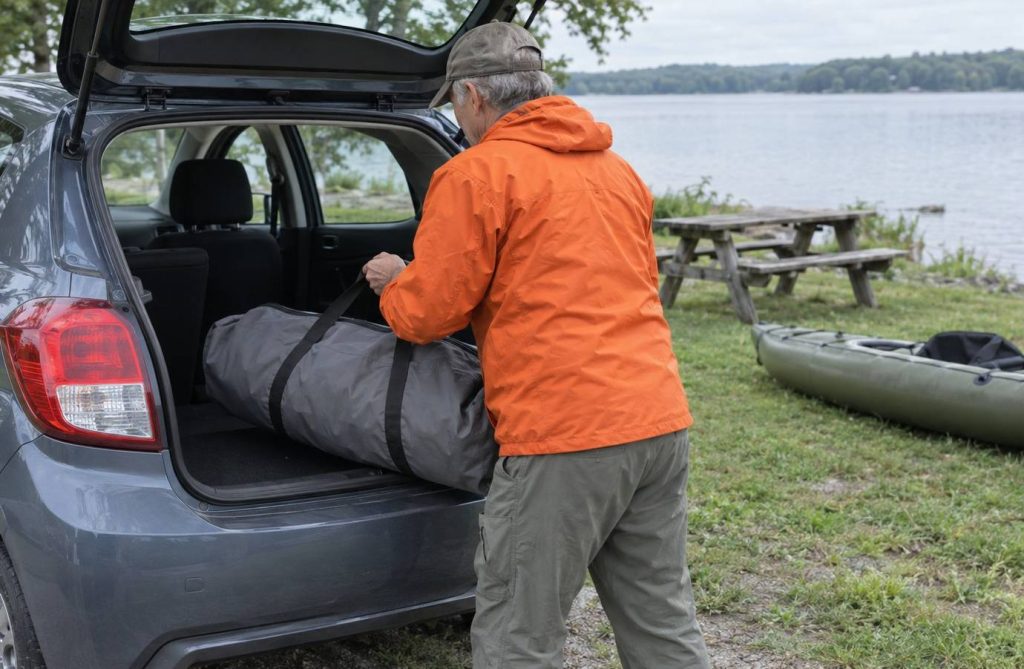
Inflatable Kayaks for Calm Water If You Have No Roof Rack or Storage
Three inflatable kayaks for people with no roof rack or storage space, set side by side on stated capacity, size and weight, plus what inflatables do well and badly on calm water.

Three inflatable kayaks for people with no roof rack or storage space, set side by side on stated capacity, size and weight, plus what inflatables do well and badly on calm water.
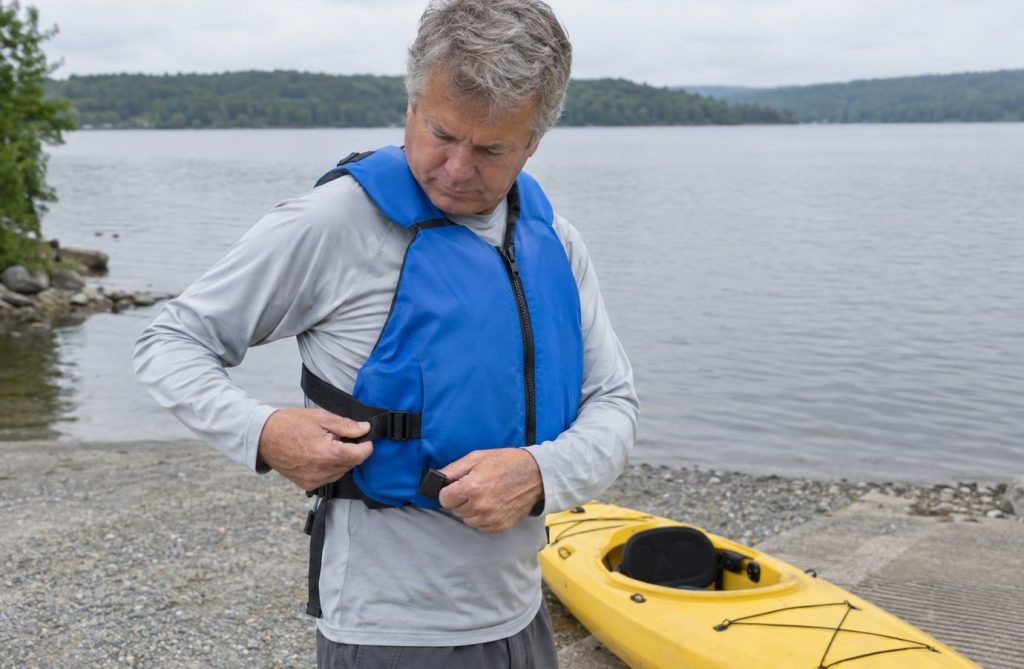
Four paddling life jackets for a first purchase, with how to read the label, what to look for on a high-back kayak seat, a fit test, and when a rental vest is enough.
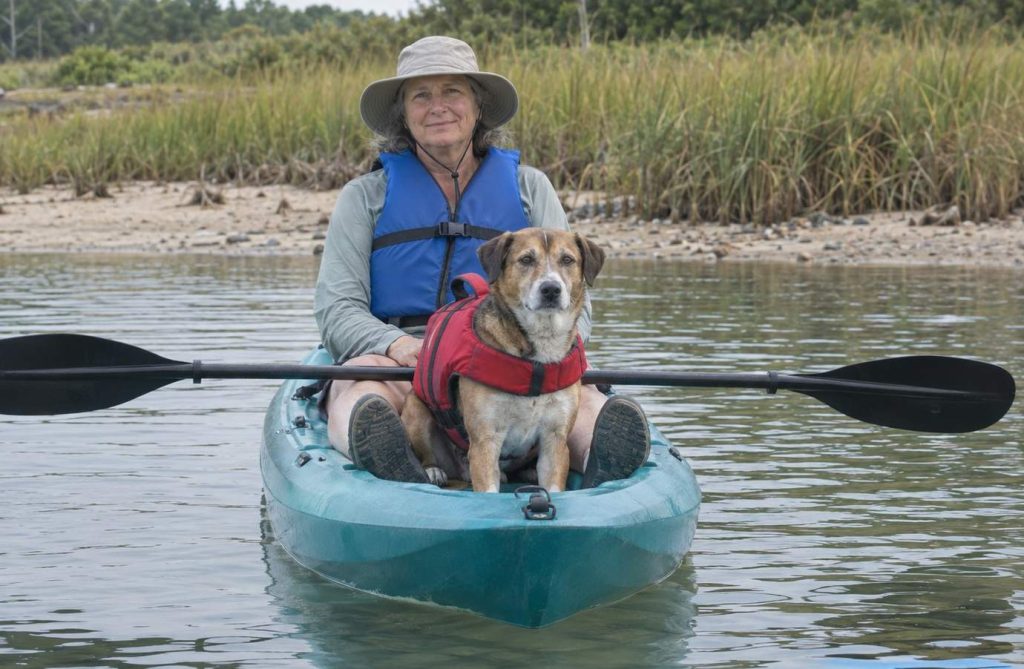
A calm dog, a fitted life jacket, a roomy sit-on kayak and practice on land come first, and some dogs are better left at home.
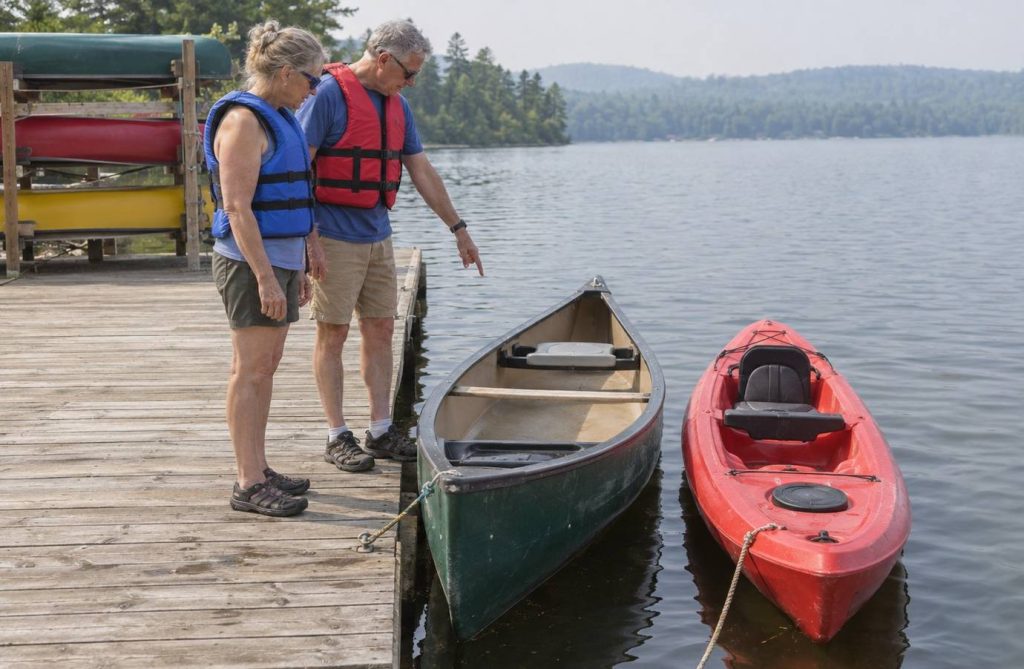
For a first rental, a canoe suits a partner and gear while a kayak suits paddling alone, with seating, stability, steering, getting in and wind compared.
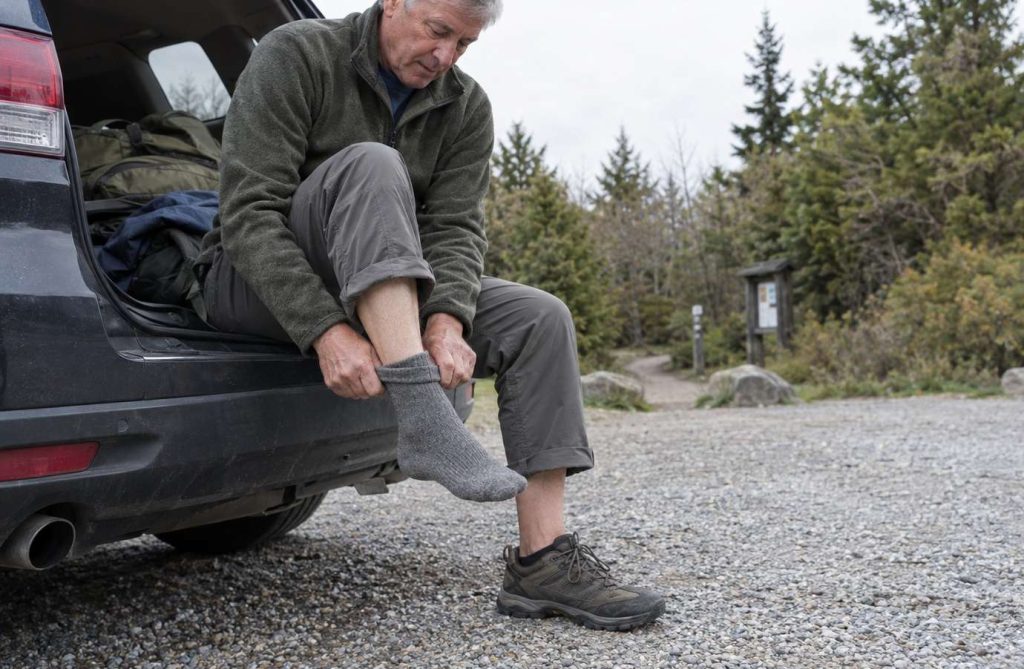
Three hiking sock picks for men and women, merino versus synthetic, cushion levels by shoe and season, sock height, and a fit check.
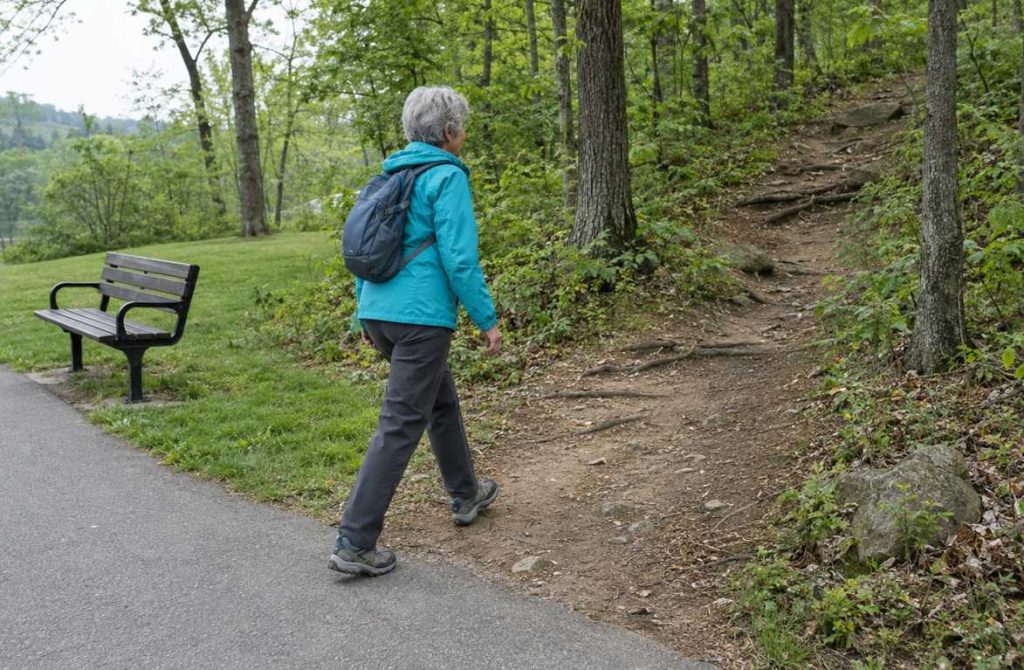
Hiking is walking on a natural trail, so the main changes are an uneven surface, climbs and descents, and a little more gear. See the two side by side, and how to pick a first trail.
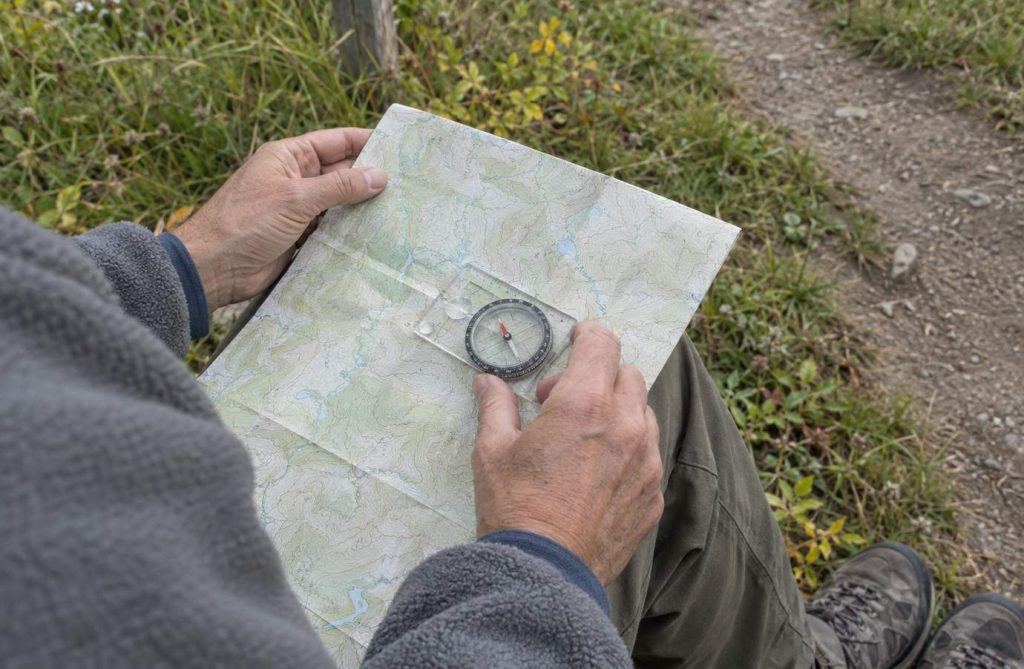
Carry a compass along with your phone. Learn the parts of a baseplate compass, take and follow a bearing, orient a map, and look up your own declination.
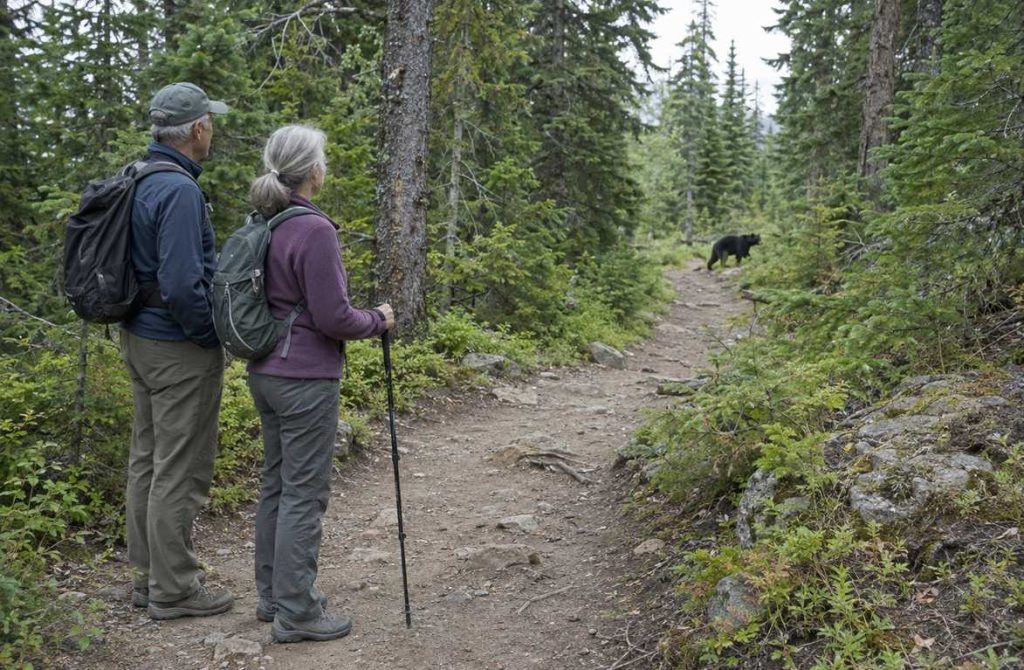
Do not run. Make noise on the trail, keep food and trash secured, back away slowly from a bear, and carry bear spray where you can reach it fast.
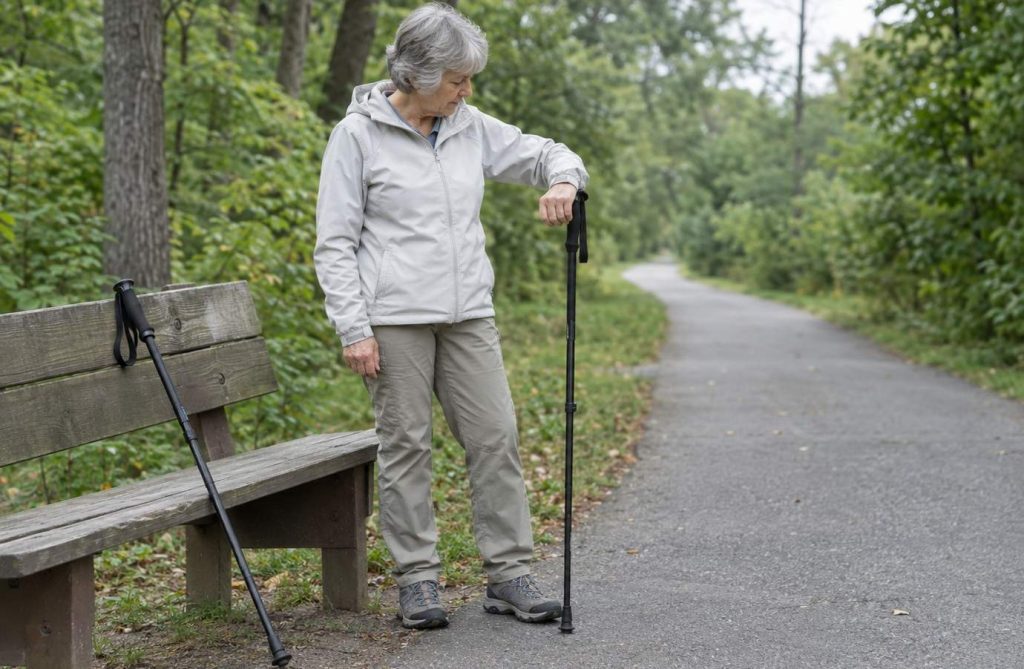
Fixed or adjustable poles, strap grips, rubber paws for pavement and tips for trails, and a length table by height. Four pole picks for a first pair, one of them a balance-first alternative.
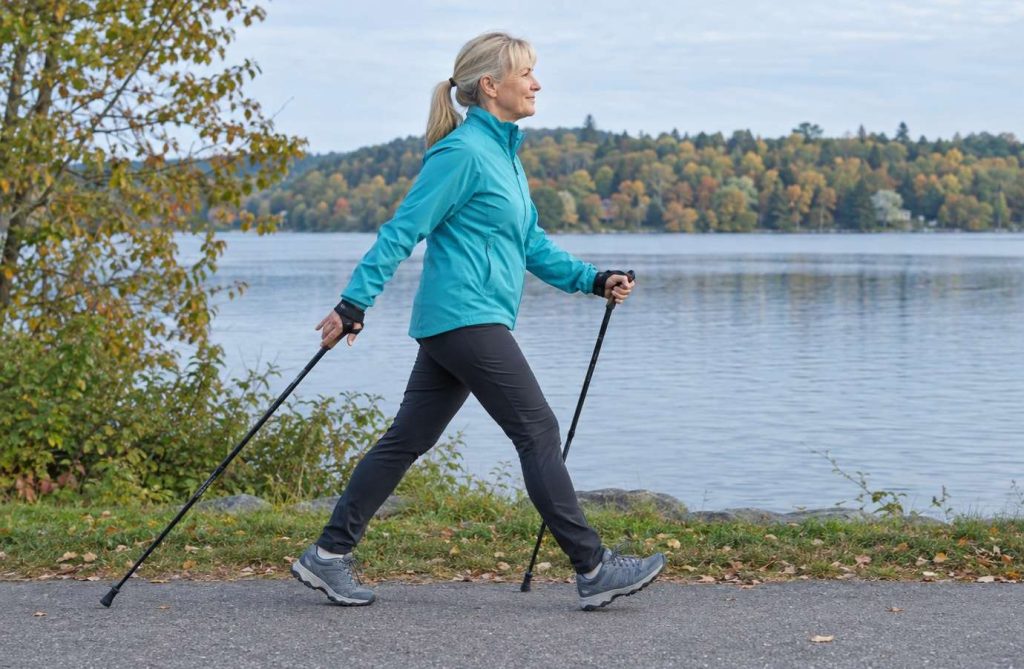
Nordic walking adds a pole in each hand and a diagonal arm swing to an ordinary walk, and Harvard Health reports it works more of the body. The basic technique takes six steps.