
Start Outdoors at Your Own Pace
Recent Posts
-
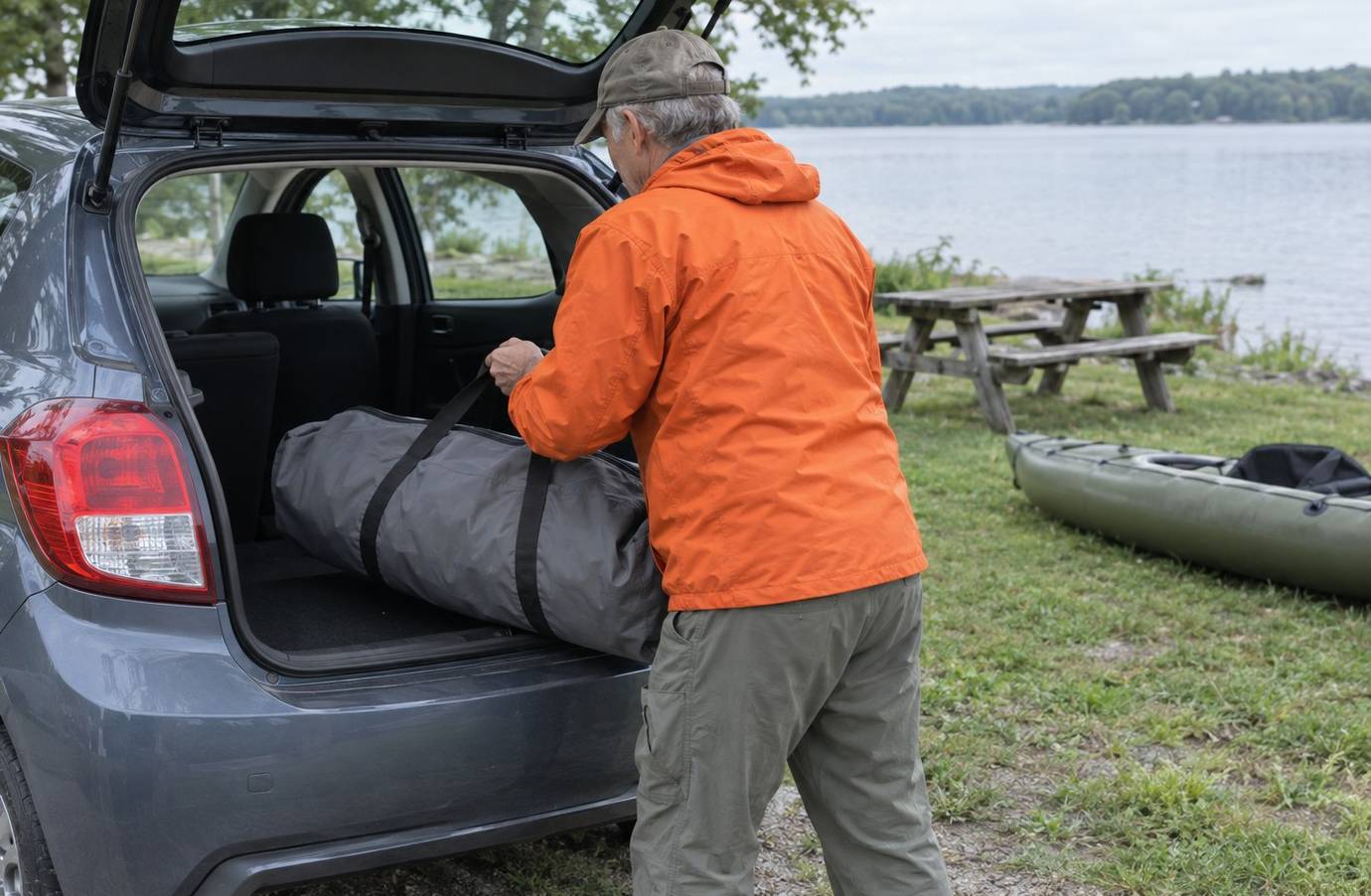
Inflatable Kayaks for Calm Water If You Have No Roof Rack or Storage
Three inflatable kayaks for people with no roof rack or storage space, set side by side on stated capacity, size and weight, plus what inflatables do well and badly on calm water.
-
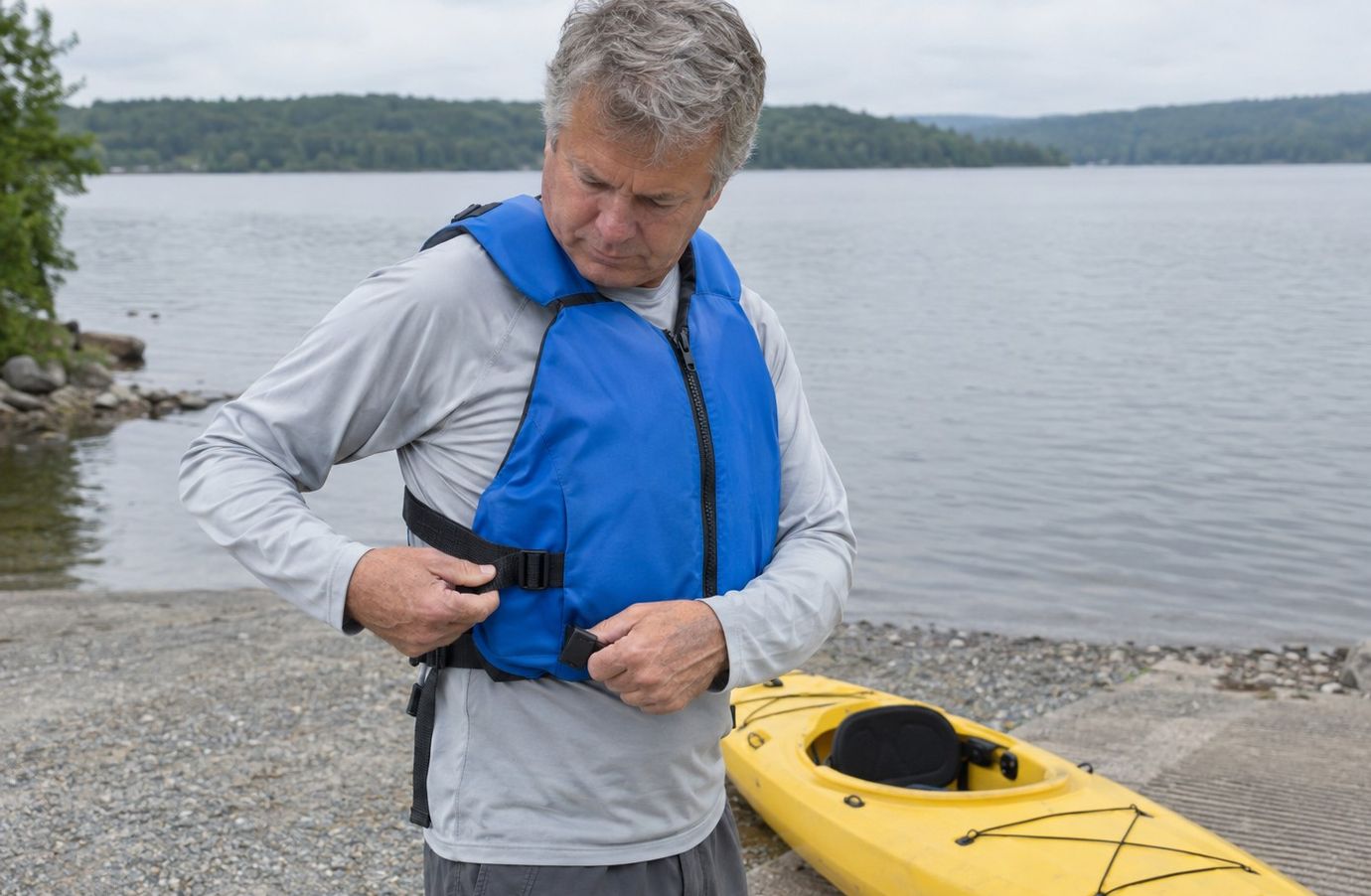
Kayak Life Jackets for Beginners: Four Vests and How to Check the Fit
Four paddling life jackets for a first purchase, with how to read the label, what to look for on a high-back kayak seat, a fit test, and when a rental vest is enough.
-
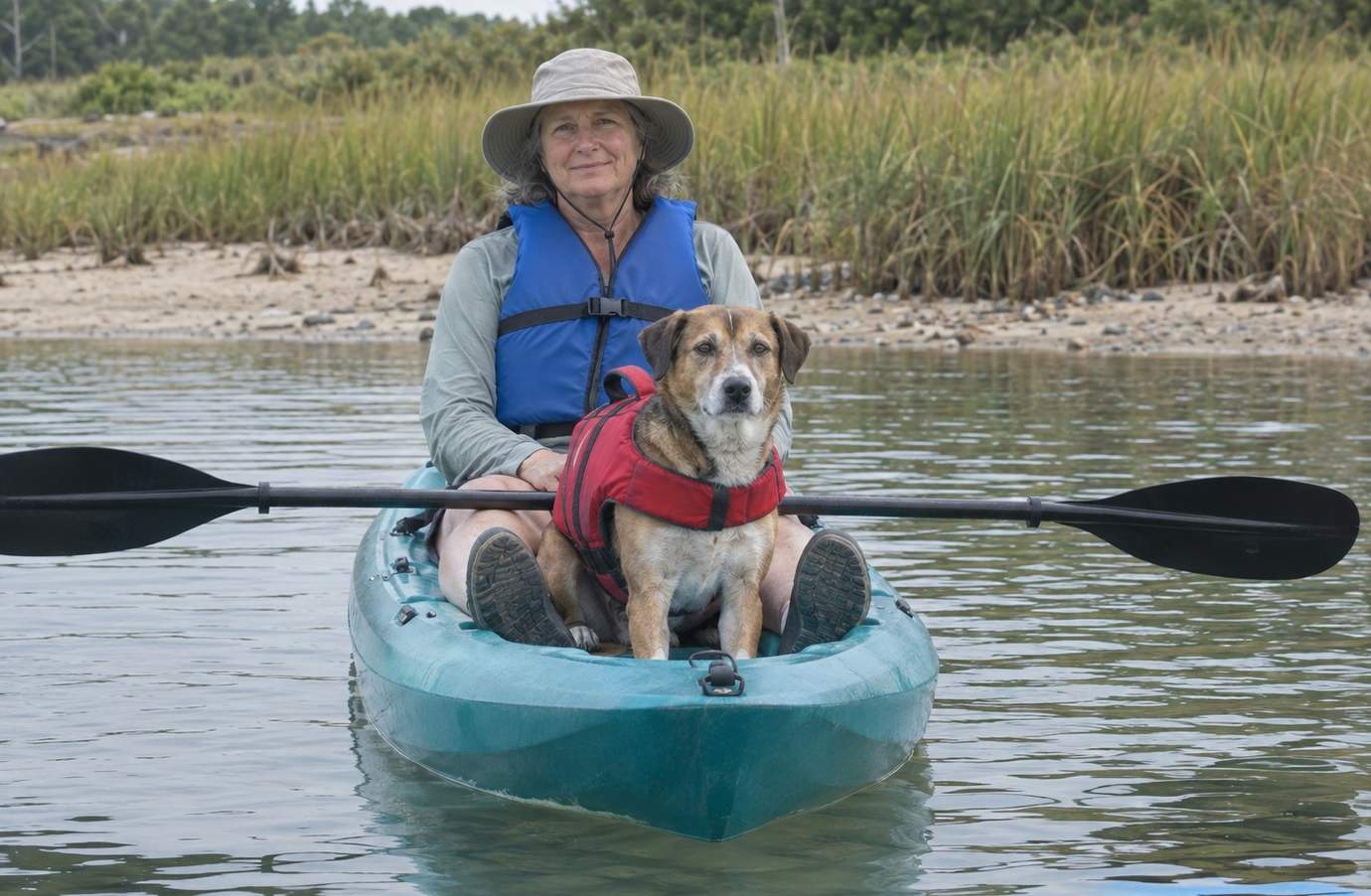
Kayaking with a Dog: How to Start Safely on Calm Water
A calm dog, a fitted life jacket, a roomy sit-on kayak and practice on land come first, and some dogs are better left at home.
-
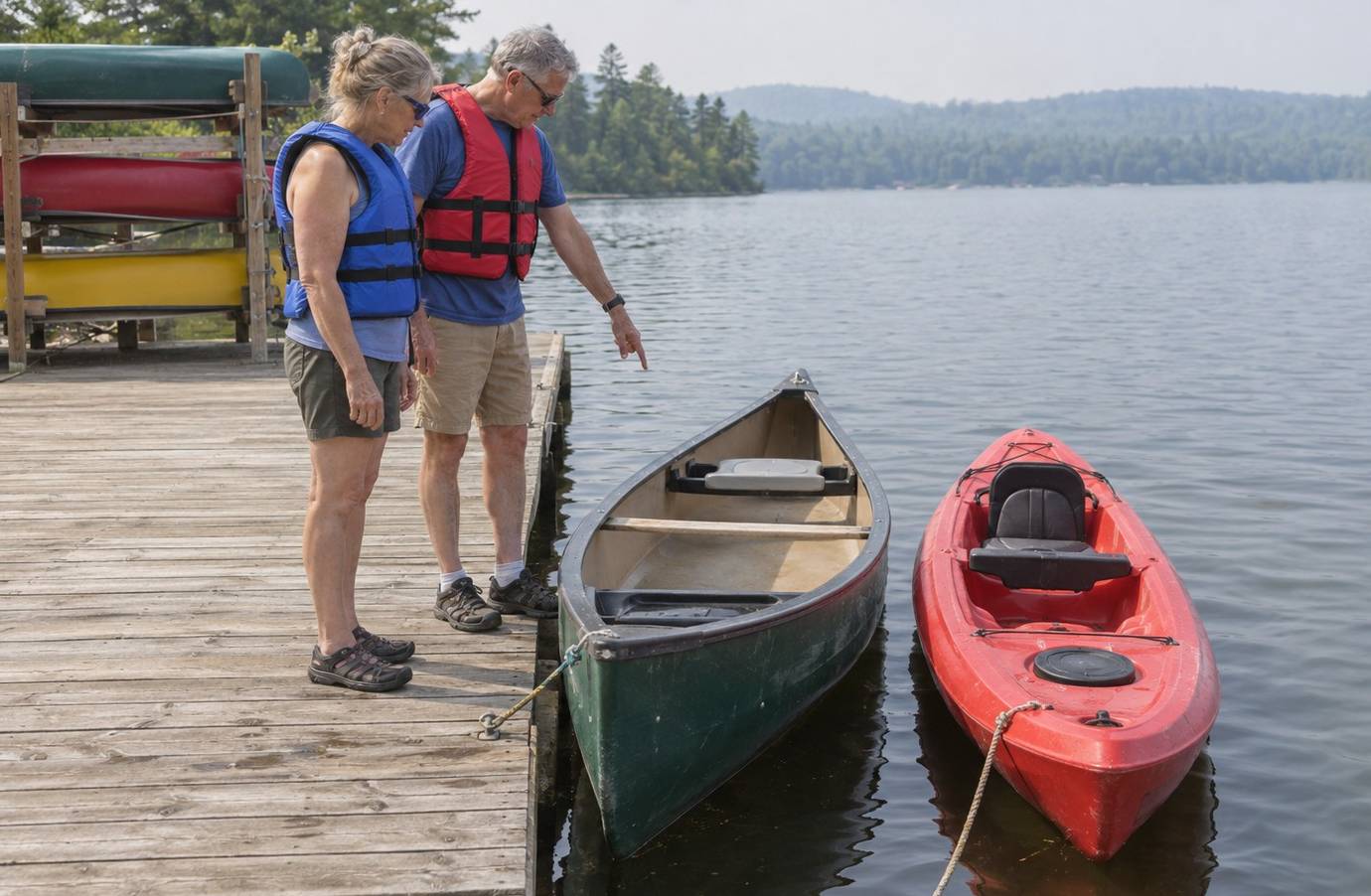
Canoe or Kayak? Which Boat to Rent as an Older Beginner
For a first rental, a canoe suits a partner and gear while a kayak suits paddling alone, with seating, stability, steering, getting in and wind compared.
-
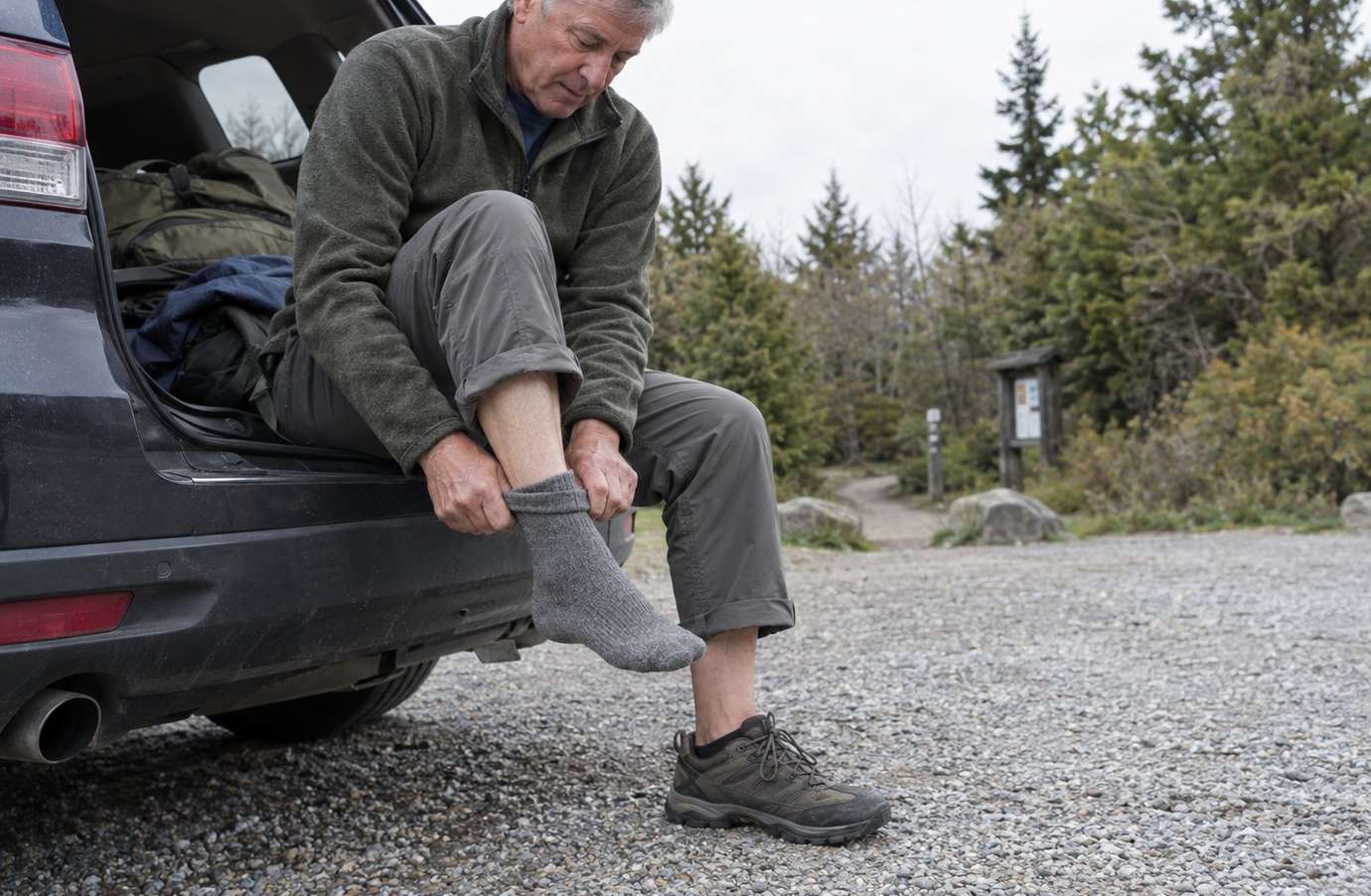
Hiking Socks for Beginners: Picks for Blisters and Cold Feet
Three hiking sock picks for men and women, merino versus synthetic, cushion levels by shoe and season, sock height, and a fit check.
-
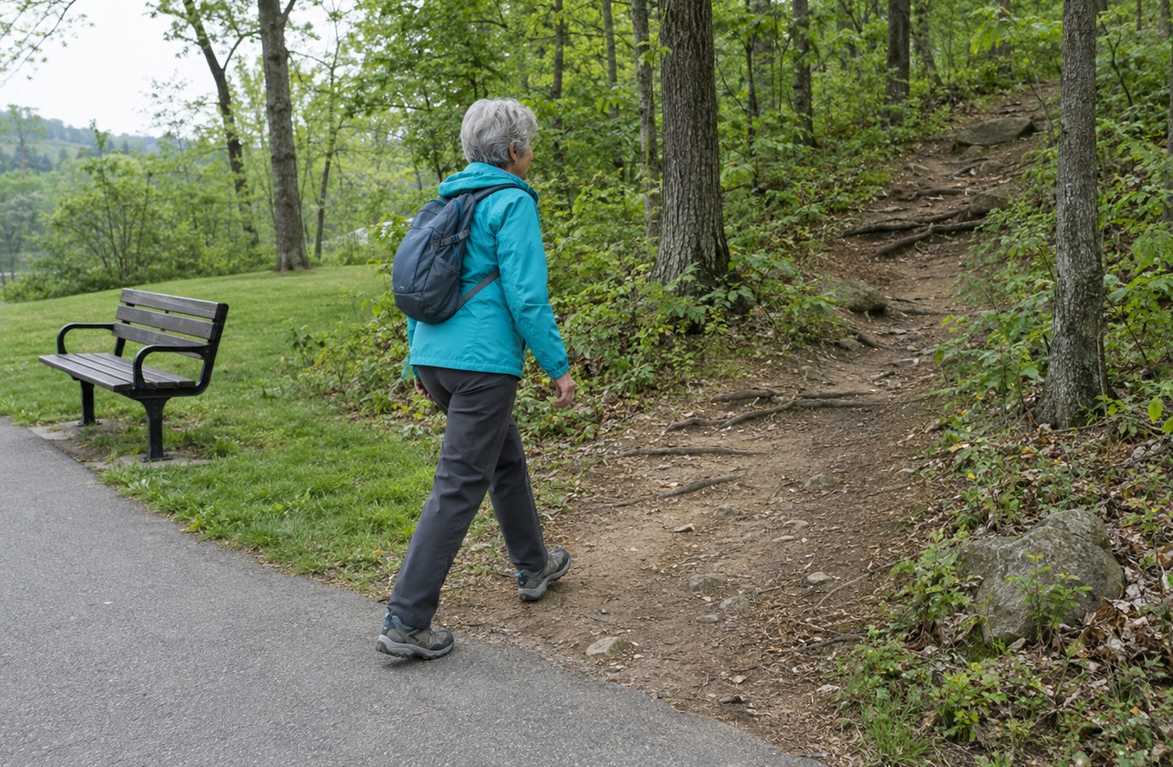
Walking vs Hiking: What Changes When You Leave the Park Path
Hiking is walking on a natural trail, so the main changes are an uneven surface, climbs and descents, and a little more gear. See the two side by side, and how to pick a first trail.
Hiking
-
Hiking Socks for Beginners: Picks for Blisters and Cold Feet
Three hiking sock picks for men and women, merino versus synthetic, cushion levels by shoe and season, sock height, and a fit check.
-
Walking vs Hiking: What Changes When You Leave the Park Path
Hiking is walking on a natural trail, so the main changes are an uneven surface, climbs and descents, and a little more gear. See the two side by side, and how to pick a first trail.
-
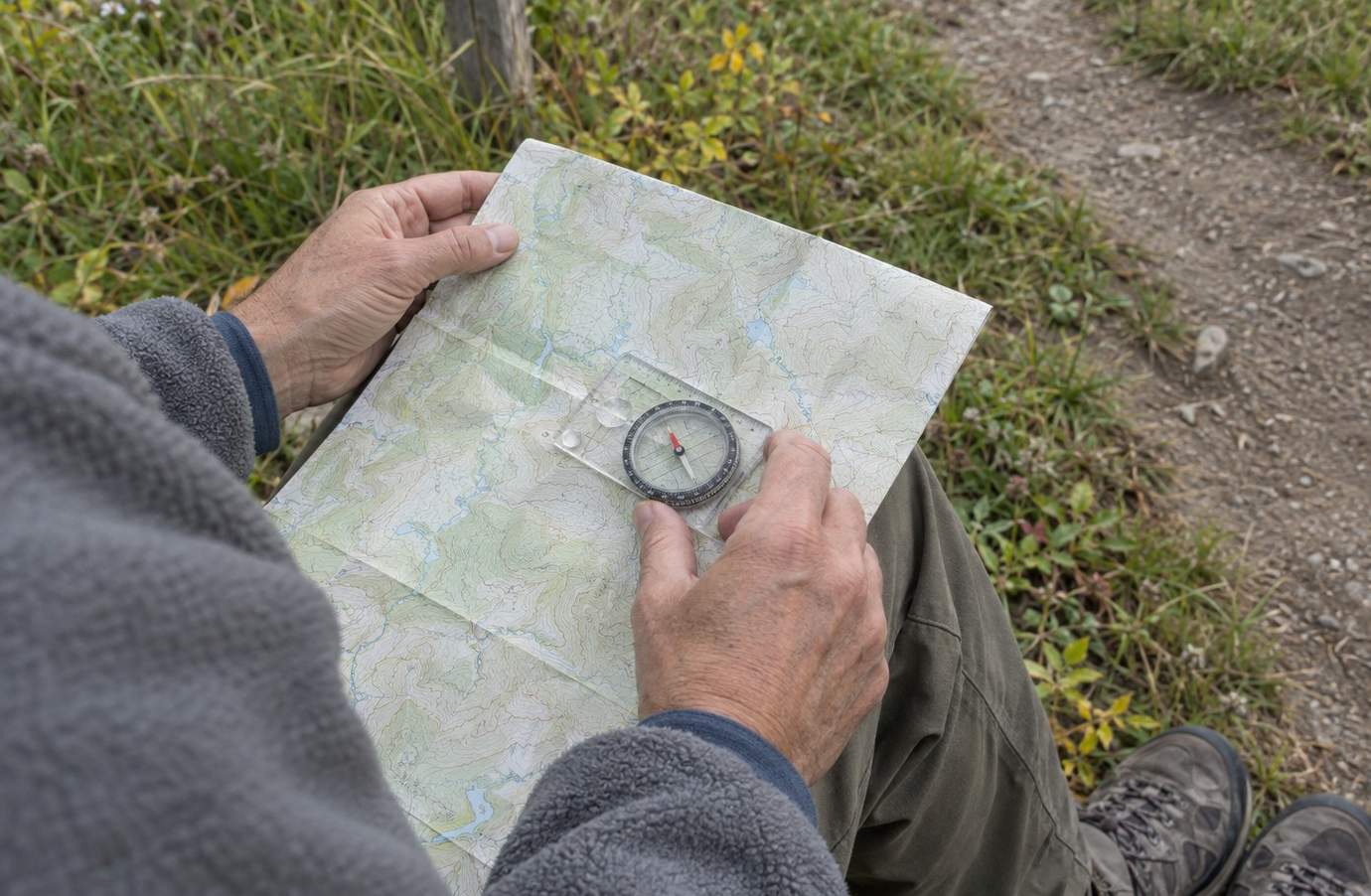
How to Use a Compass on a Day Hike: Bearings, Maps, and Your Phone
Carry a compass along with your phone. Learn the parts of a baseplate compass, take and follow a bearing, orient a map, and look up your own declination.
Outdoor Activities
-
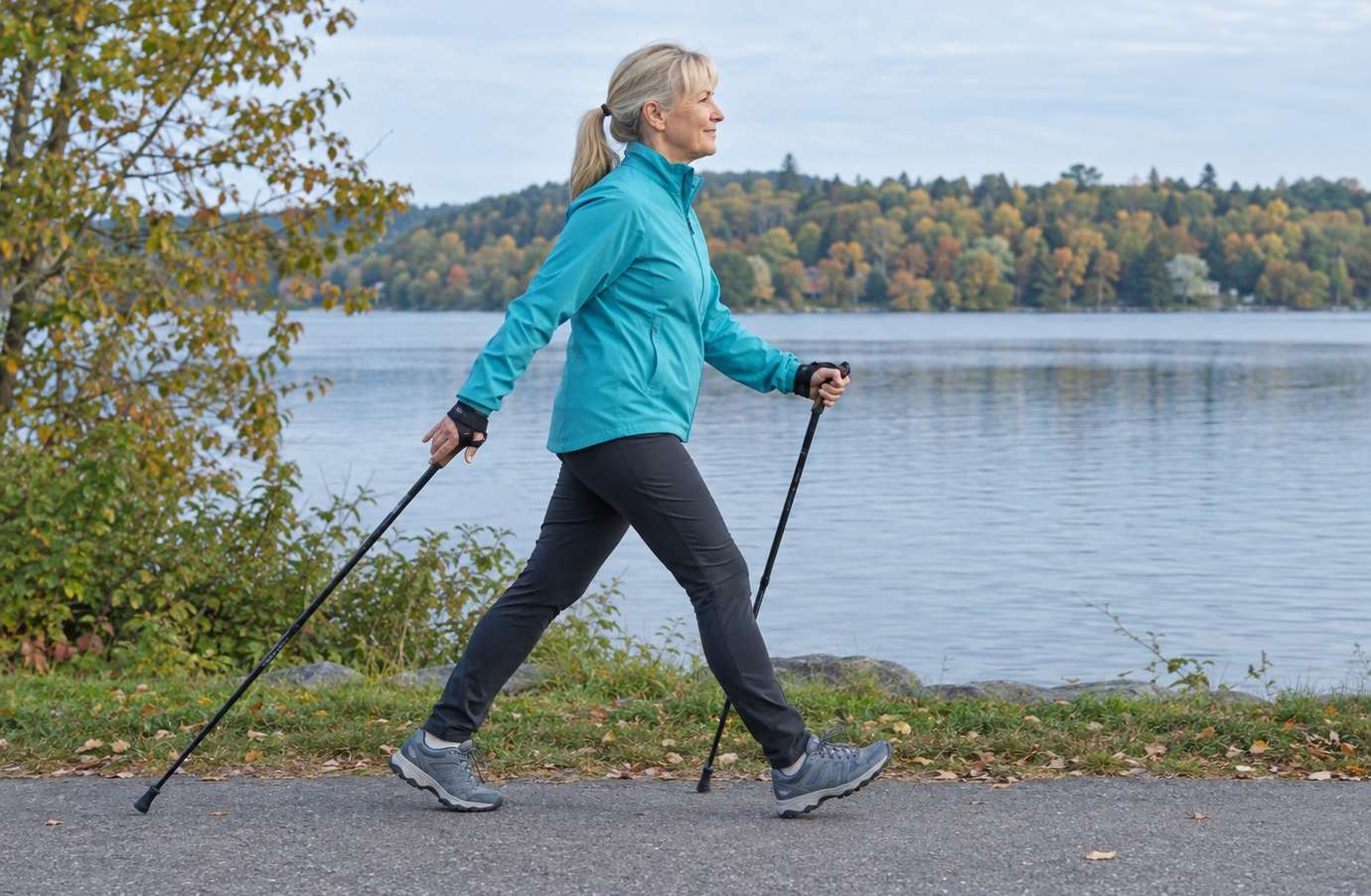
Nordic Walking: What It Does and How to Start
Nordic walking adds a pole in each hand and a diagonal arm swing to an ordinary walk, and Harvard Health reports it works more of the body. The basic technique takes six steps.
-
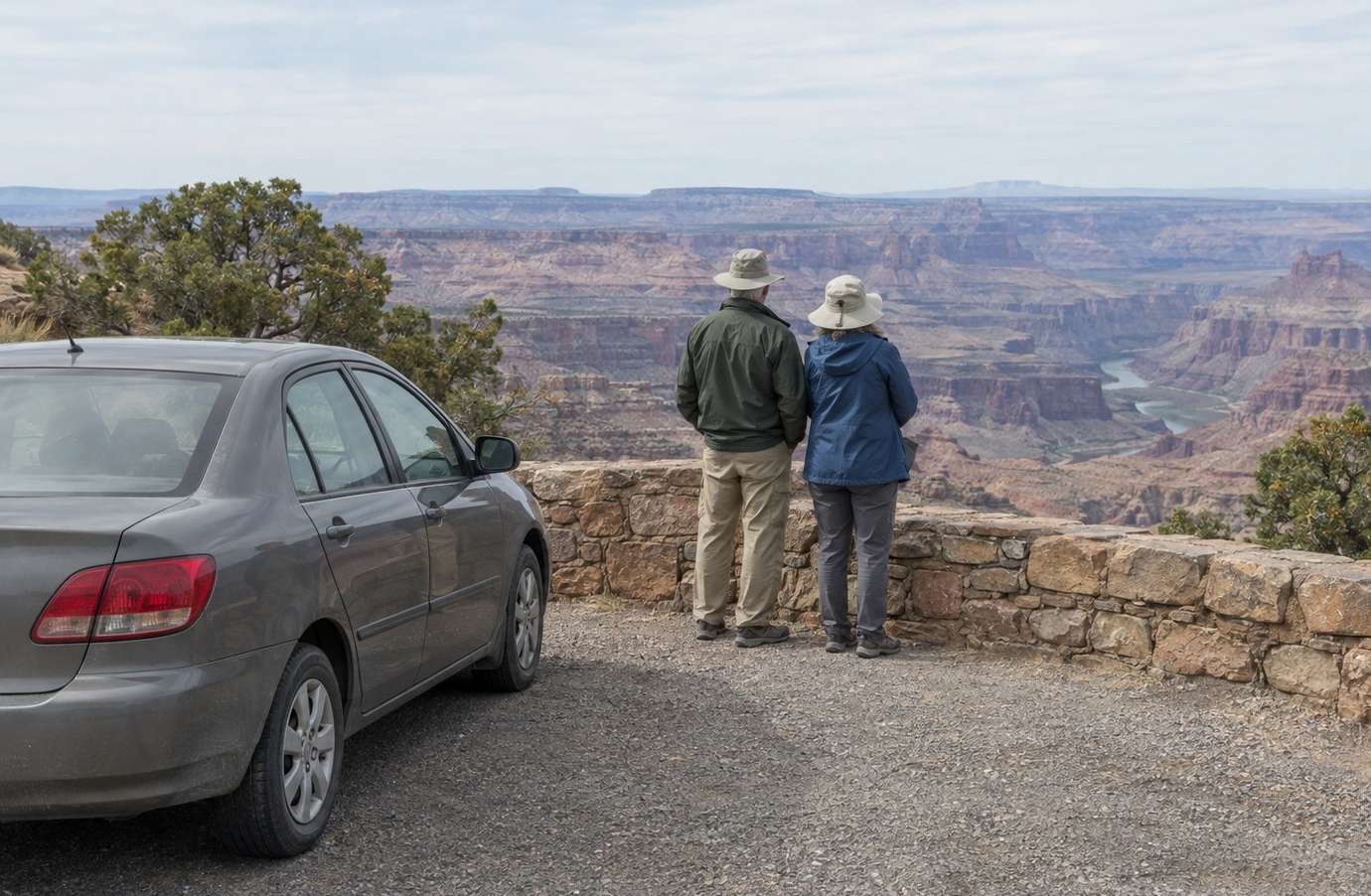
Senior Pass for National Parks: Who Qualifies, What It Covers, and How to Buy It
Any US citizen or resident aged 62 or older can buy a Senior Pass, annual for $20 or lifetime for $80. It covers entrance fees and your car, but not every fee.
-
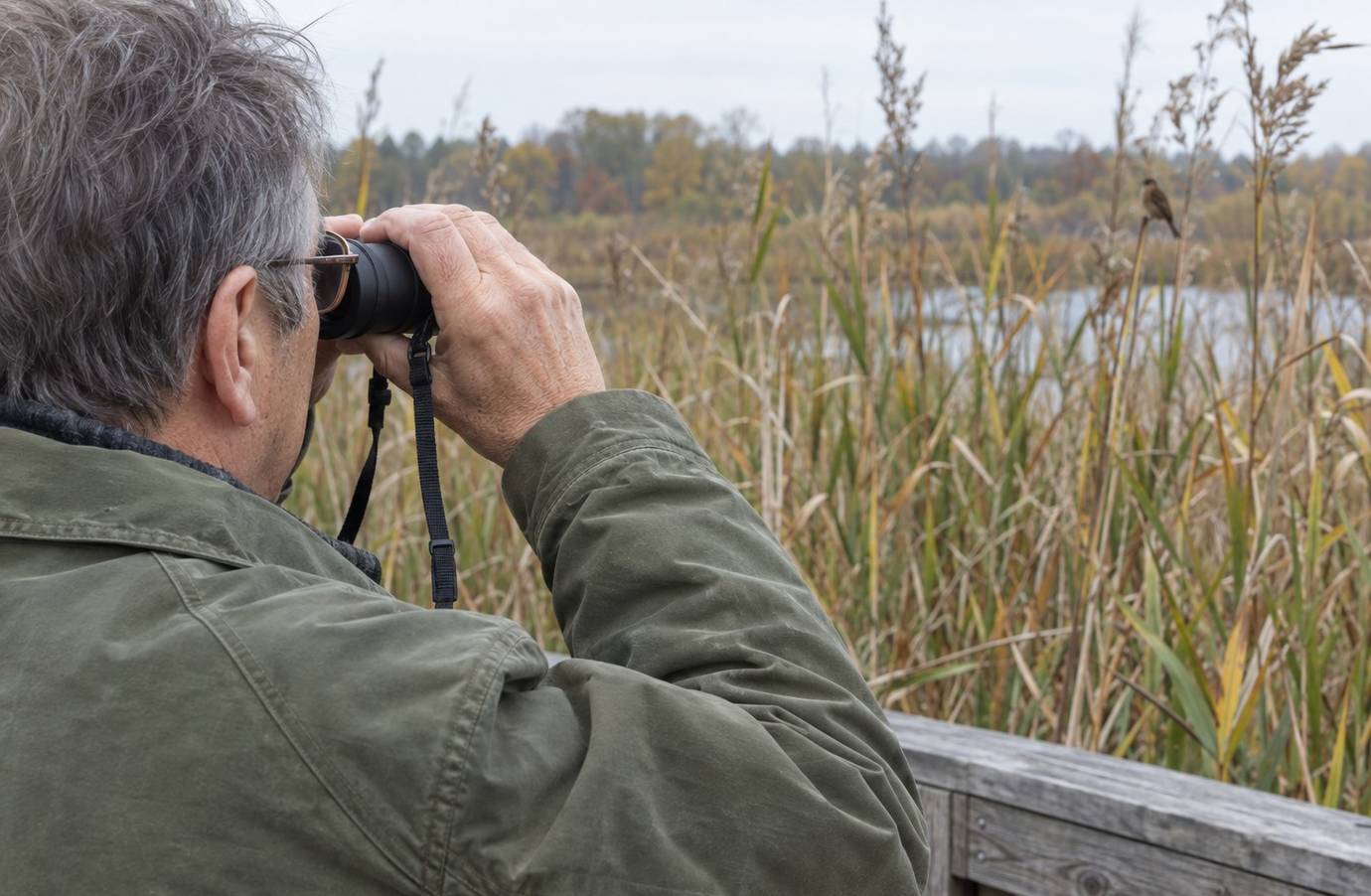
Binoculars for Bird Watching: Light First Pairs for Walking Birders
Four roof-prism binoculars for a first pair, from 18 to 23.8 ounces, with what 8×32 and 8×42 mean, eye relief for glasses and close focus explained.
Kayaking
-
Inflatable Kayaks for Calm Water If You Have No Roof Rack or Storage
Three inflatable kayaks for people with no roof rack or storage space, set side by side on stated capacity, size and weight, plus what inflatables do well and badly on calm water.
-
Kayak Life Jackets for Beginners: Four Vests and How to Check the Fit
Four paddling life jackets for a first purchase, with how to read the label, what to look for on a high-back kayak seat, a fit test, and when a rental vest is enough.
-
Kayaking with a Dog: How to Start Safely on Calm Water
A calm dog, a fitted life jacket, a roomy sit-on kayak and practice on land come first, and some dogs are better left at home.