
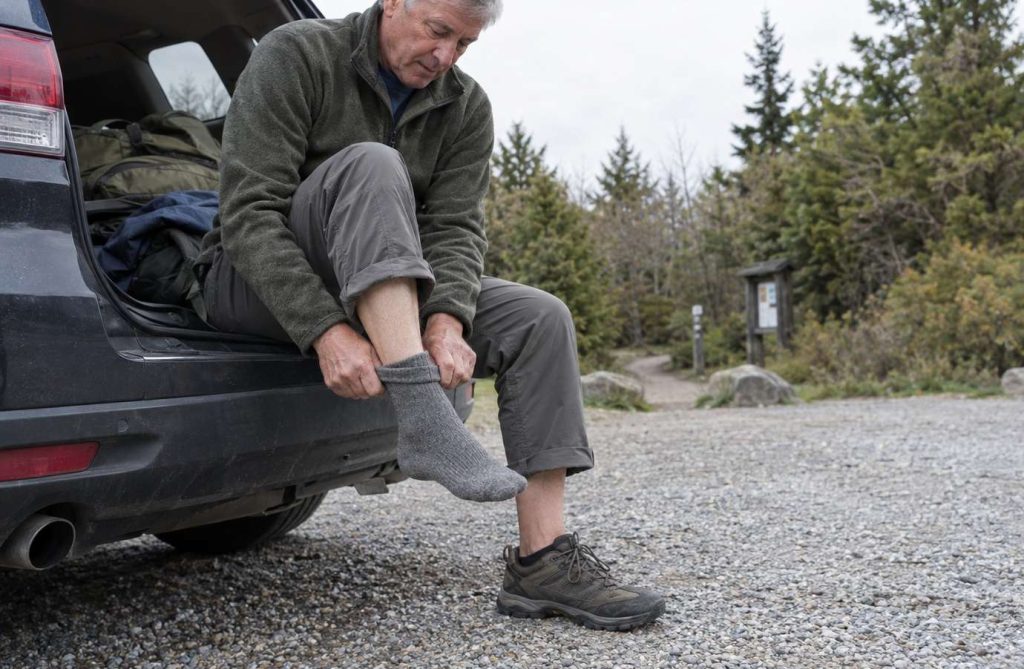
Hiking Socks for Beginners: Picks for Blisters and Cold Feet
Three hiking sock picks for men and women, merino versus synthetic, cushion levels by shoe and season, sock height, and a fit check.
Three hiking sock picks for men and women, merino versus synthetic, cushion levels by shoe and season, sock height, and a fit check.
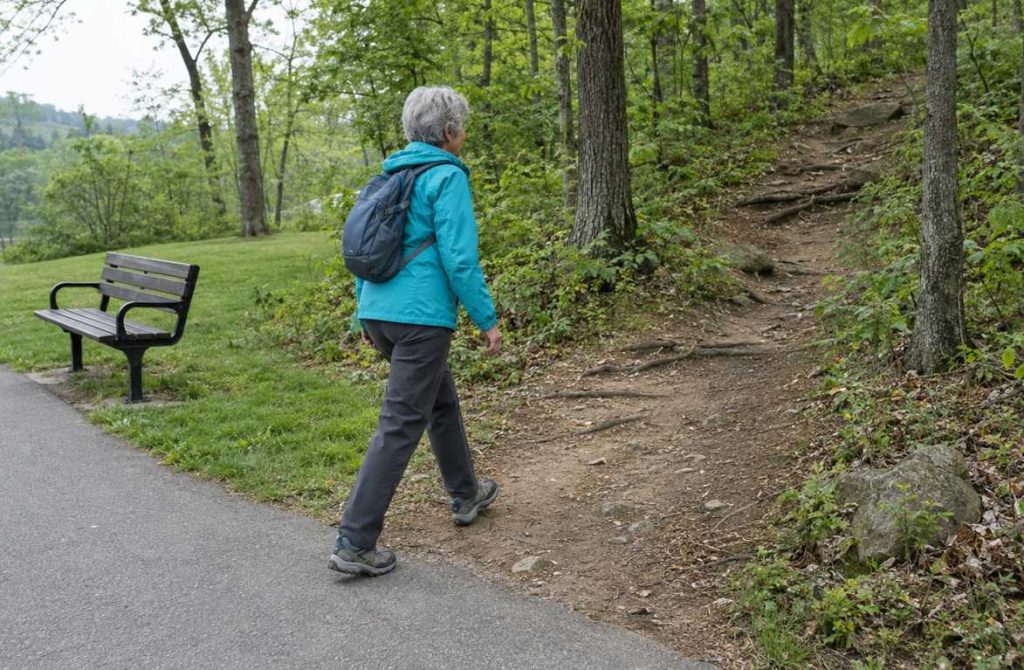
Hiking is walking on a natural trail, so the main changes are an uneven surface, climbs and descents, and a little more gear. See the two side by side, and how to pick a first trail.
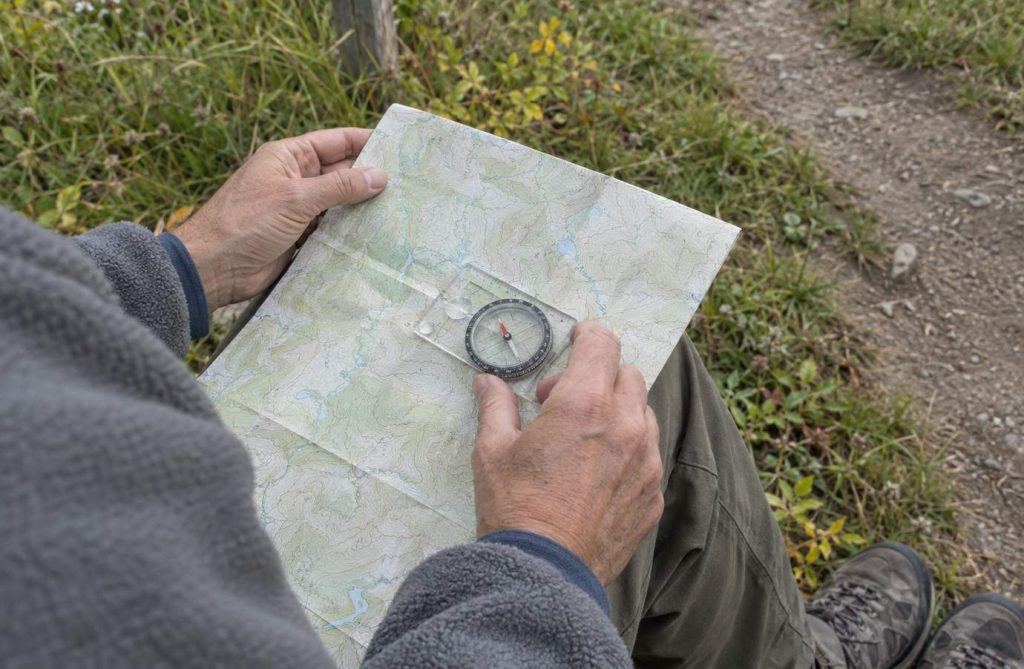
Carry a compass along with your phone. Learn the parts of a baseplate compass, take and follow a bearing, orient a map, and look up your own declination.
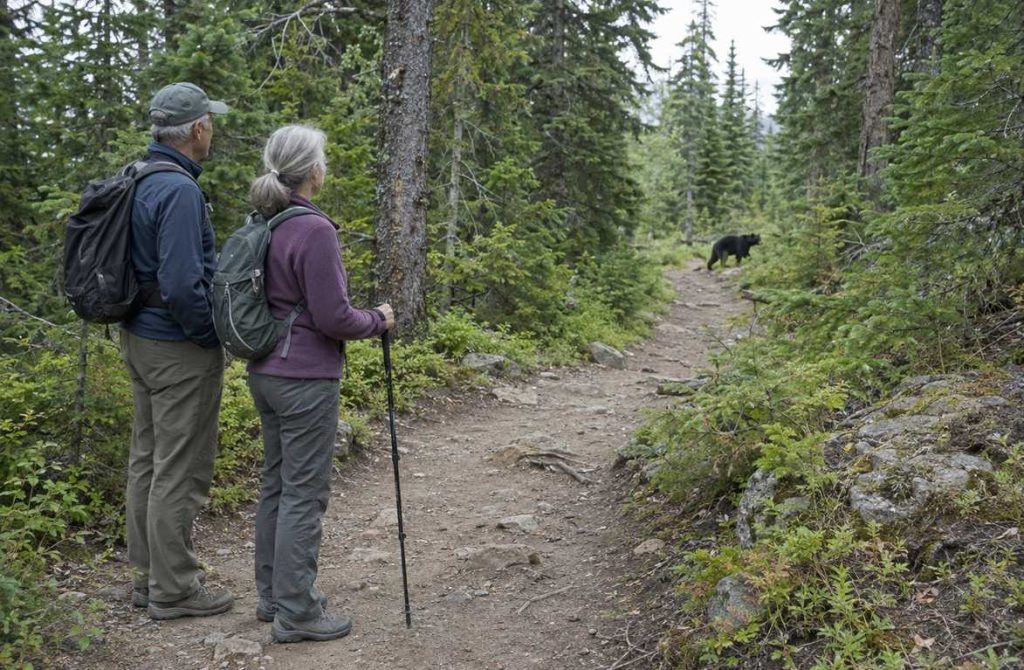
Do not run. Make noise on the trail, keep food and trash secured, back away slowly from a bear, and carry bear spray where you can reach it fast.
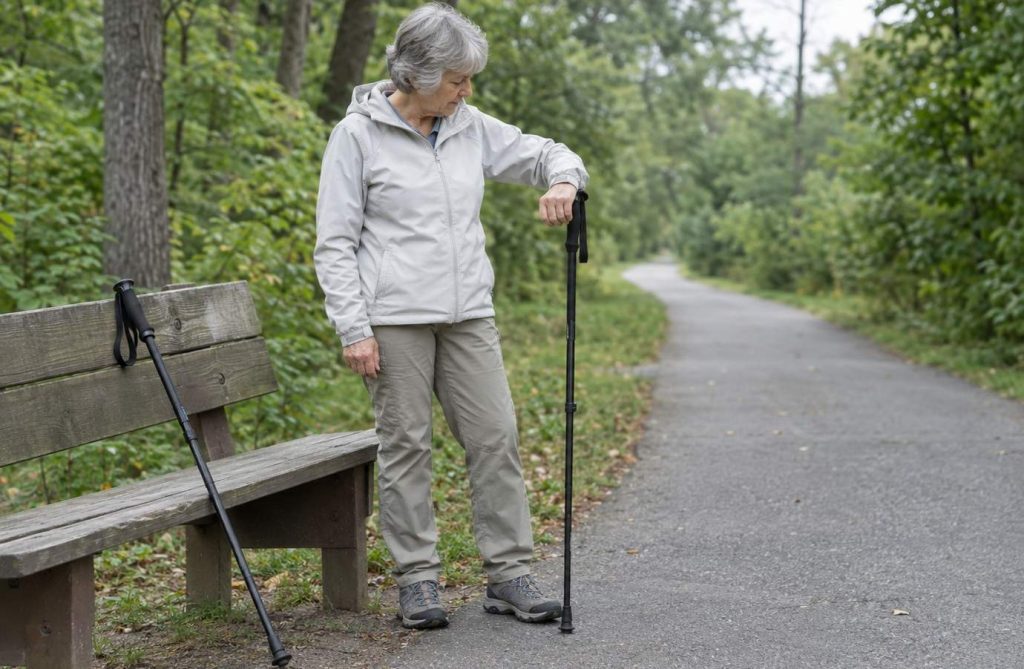
Fixed or adjustable poles, strap grips, rubber paws for pavement and tips for trails, and a length table by height. Four pole picks for a first pair, one of them a balance-first alternative.
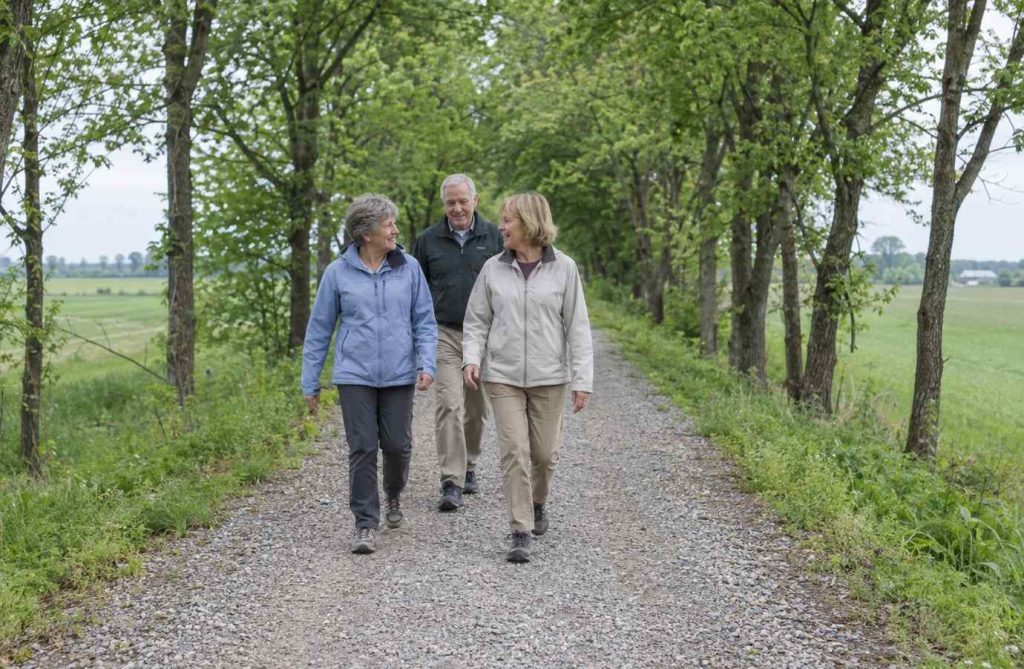
Former rail lines are flat or gently sloping, which makes them an easy place to start walking. Find one near you with TrailLink, then plan a first out-and-back walk.
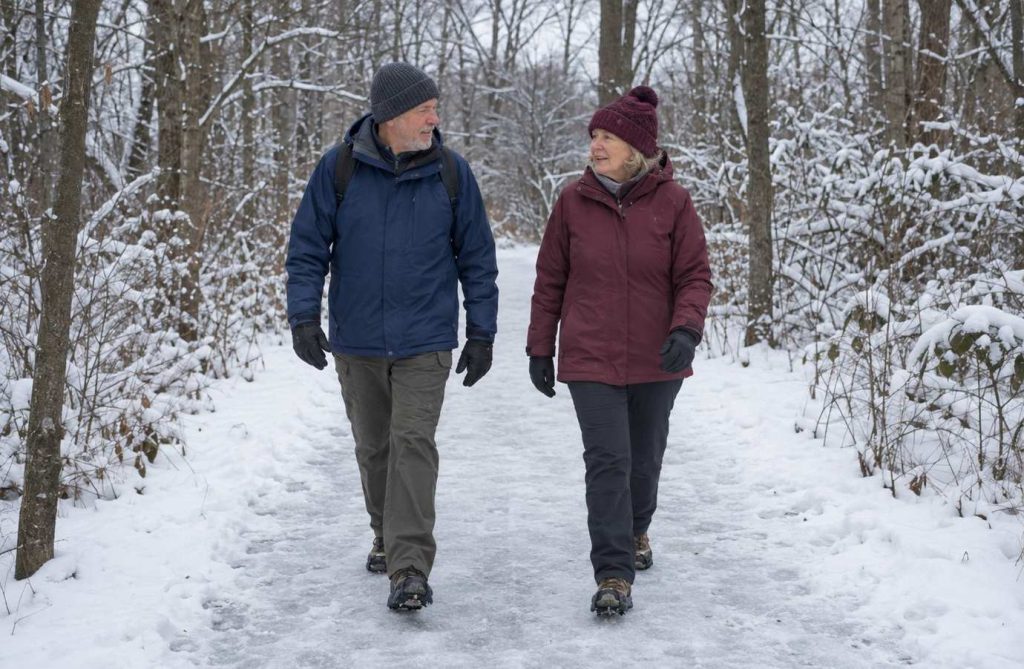
Coil cleats suit icy sidewalks and flat paths, chain spikes suit packed snow and icy trails. Here is which kind fits your ground, how to size them over your shoes, and when you don’t need them.
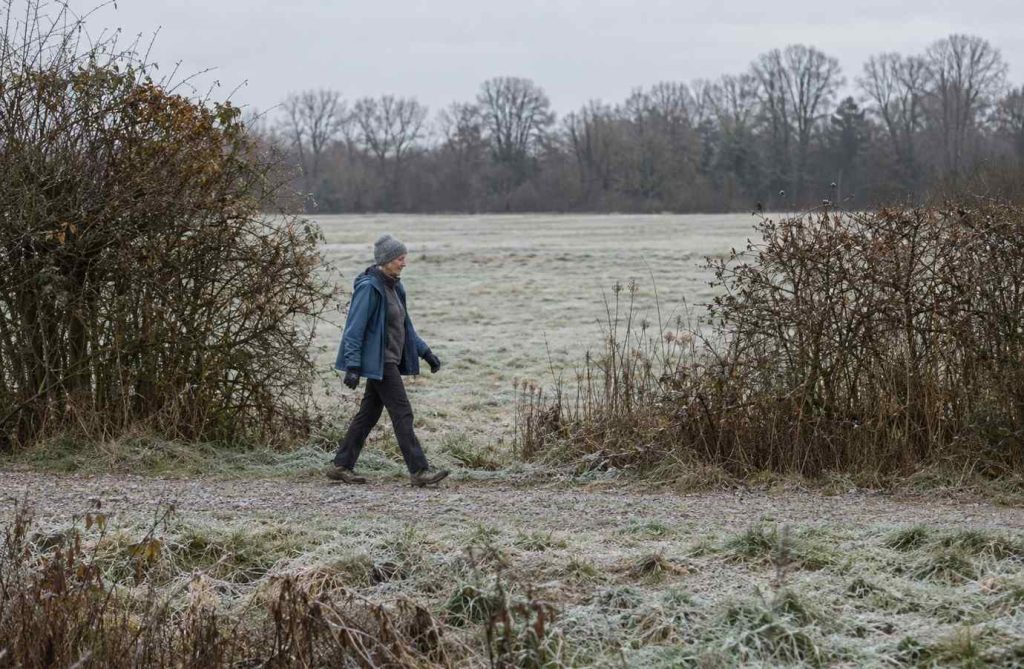
The cold that ends a walk badly is rarely the freezing kind. What changes for an older body, and the signs that mean go home now.
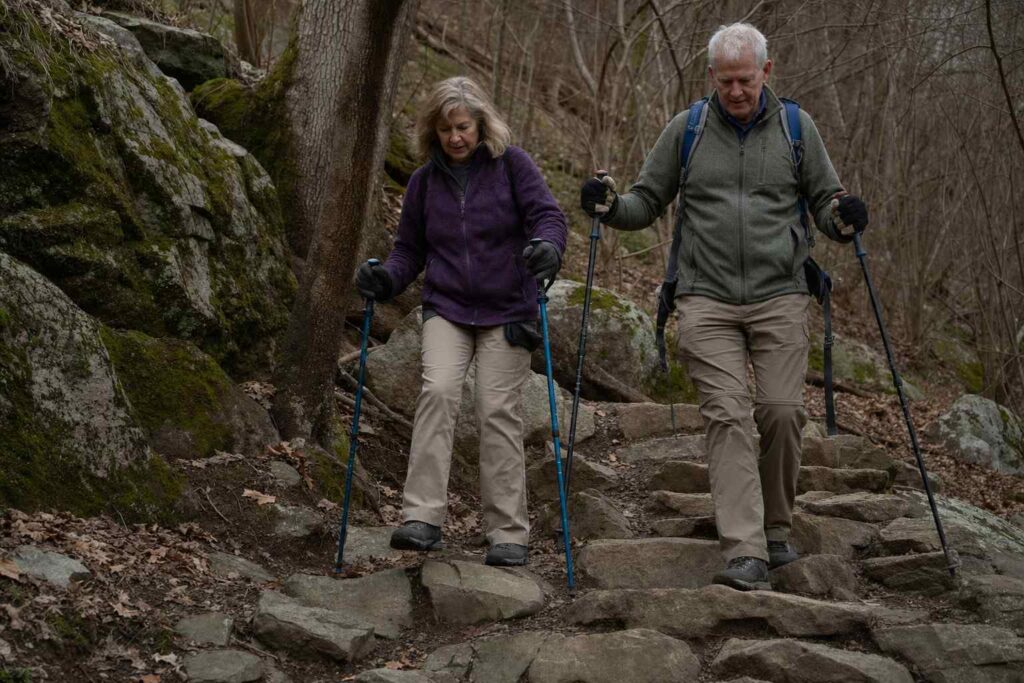
The real research behind trekking poles’ knee benefit found a range, not a flat percentage. Here’s how to set poles up and use them well on the way down.
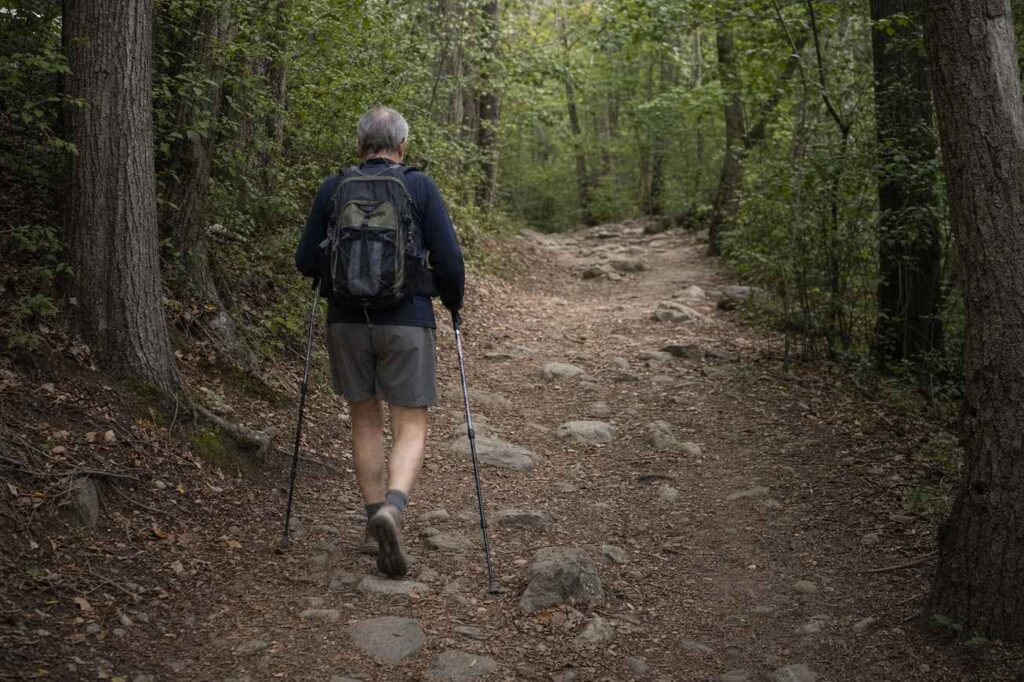
Balance isn’t fixed. It’s a skill the trail tests and trains, and a few simple habits, on the trail and off, keep it sharp after 60.