
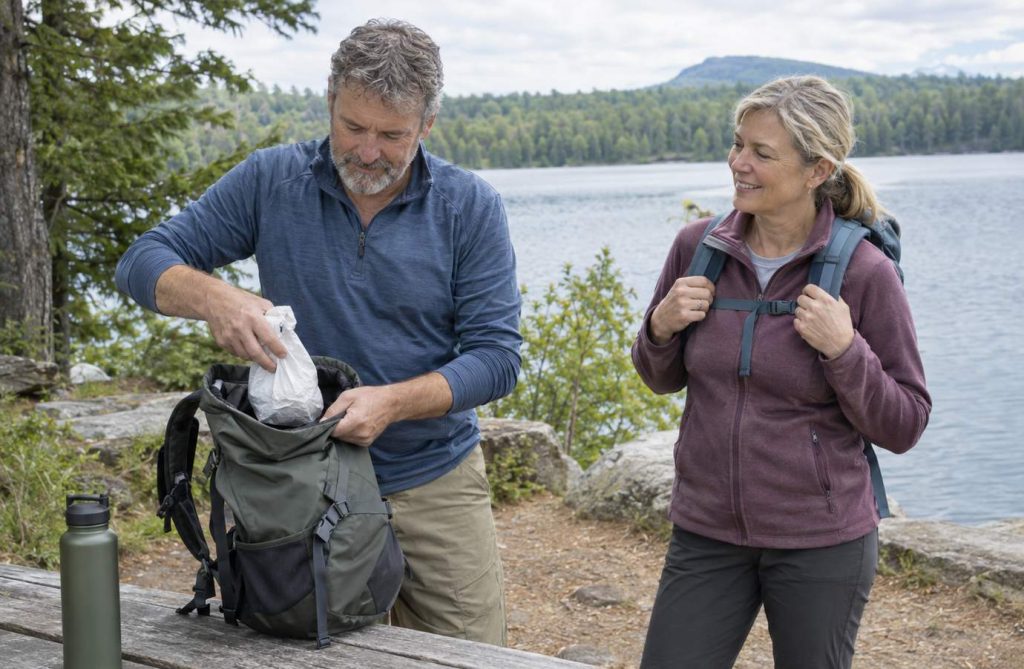
Understanding Leave No Trace Principles for Hikers
The seven Leave No Trace principles, in plain terms, with the habits that matter most on a day hike.
The seven Leave No Trace principles, in plain terms, with the habits that matter most on a day hike.
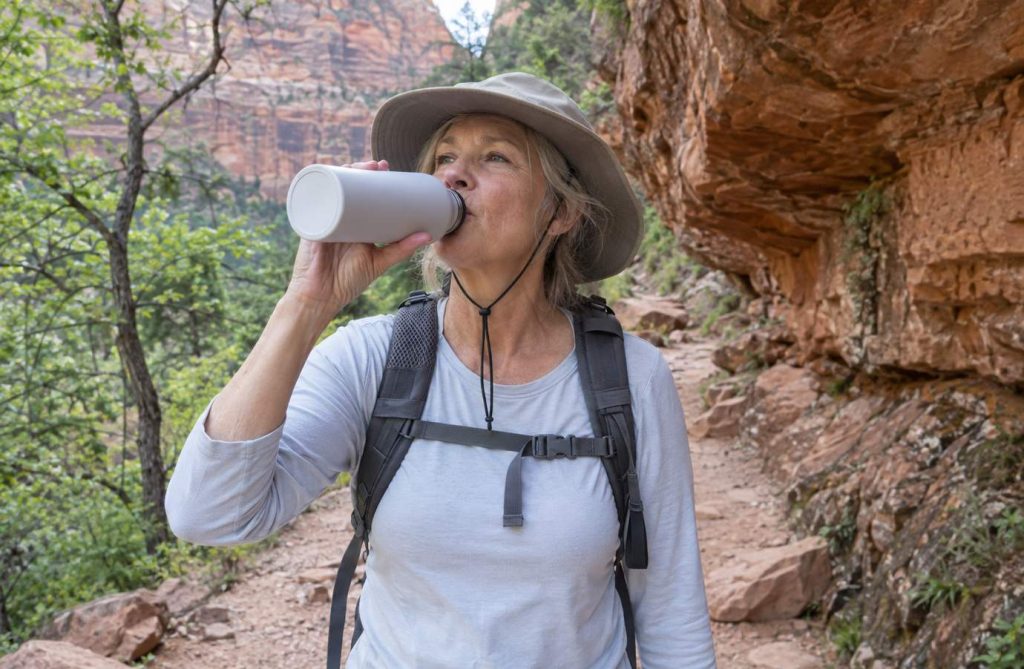
Drinking water helps, but hiking safely in hot weather takes a few more decisions, starting before you ever reach the trailhead.
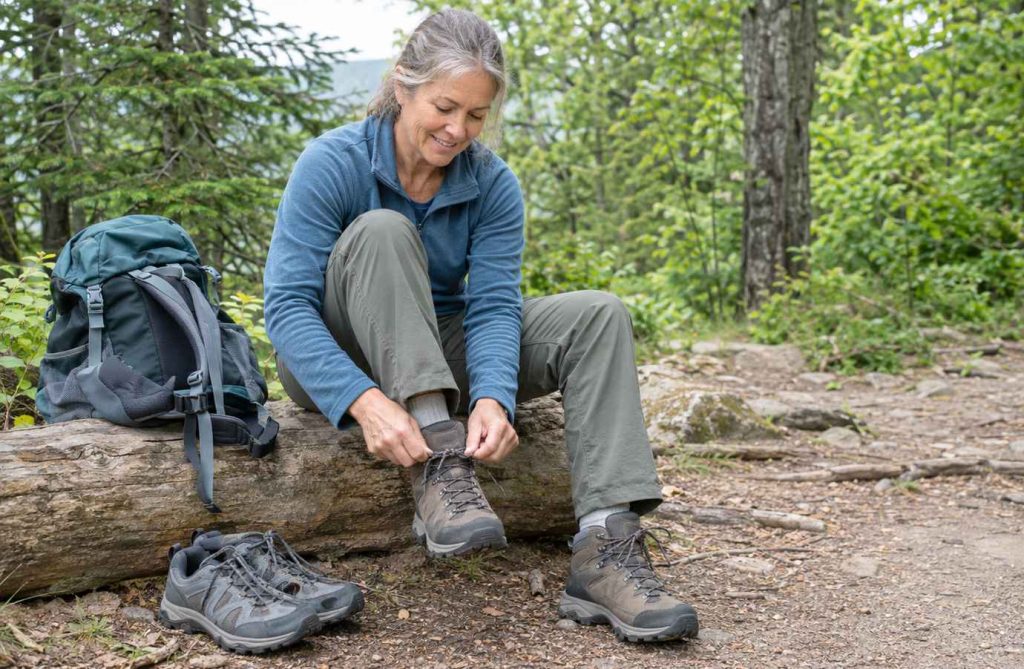
Trail runners and trail shoes suit light to moderate trails, while light hiking boots suit rough ground, snow or cold, and weak ankles.
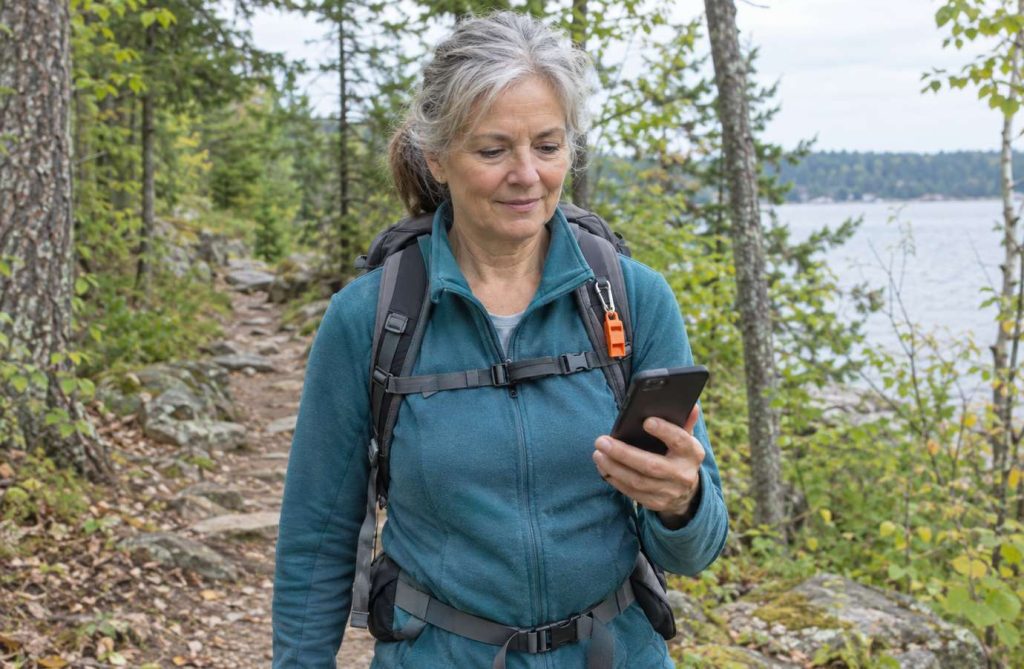
Hiking alone is easier to enjoy with a short, familiar route, a turnaround time and someone who knows when you’ll be back.
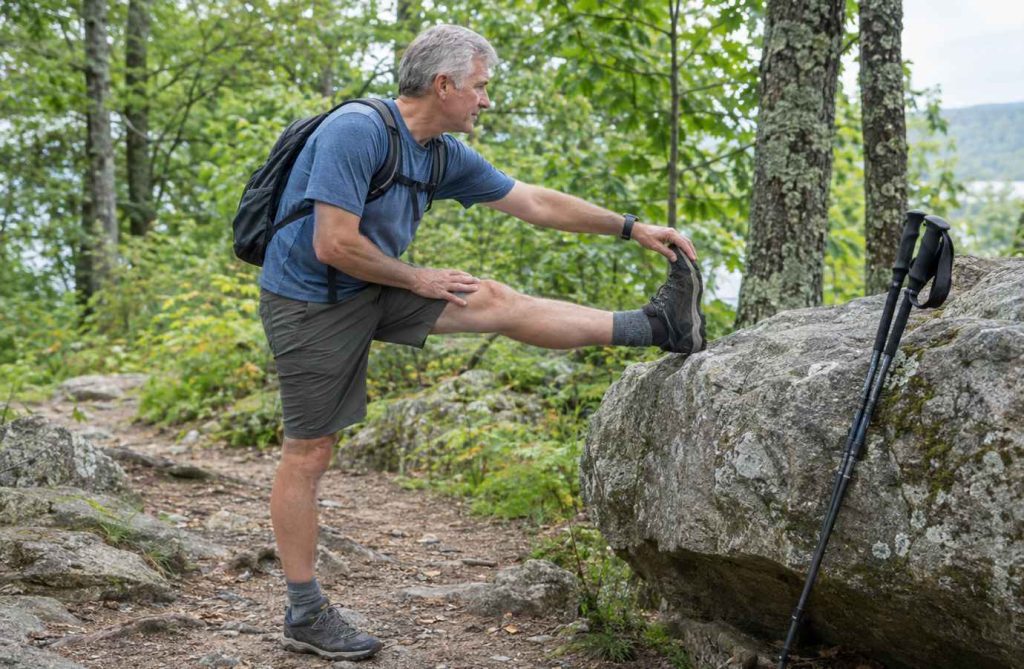
Footwear, steady footing, pole use and pacing that help protect your feet, ankles and knees on the trail, plus the signs that mean stop.
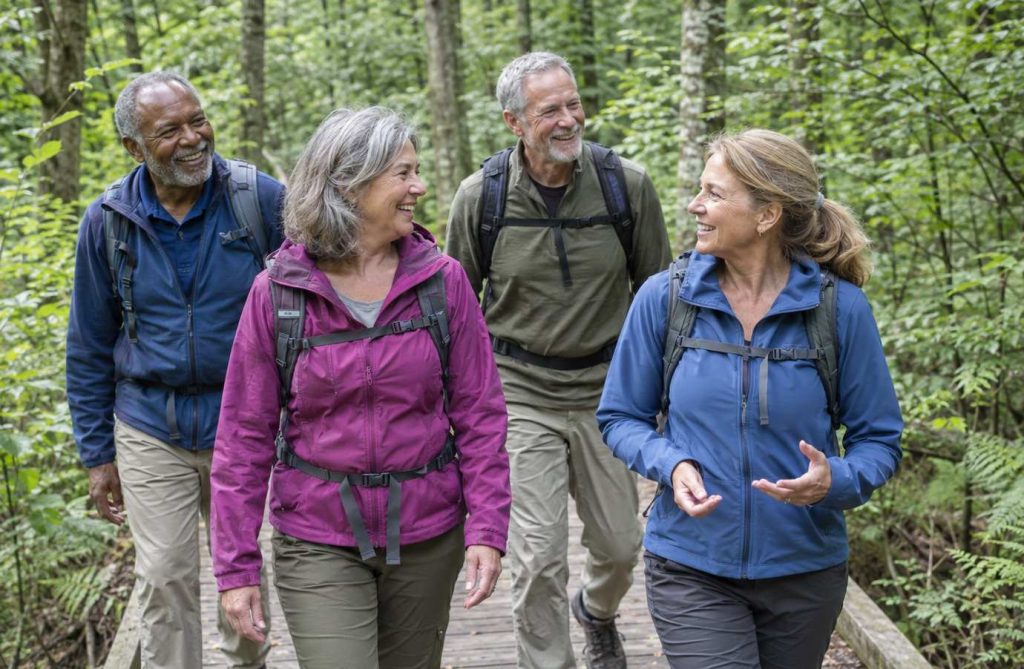
Some hiking groups meet weekly and others monthly. Here’s how to find one, ask about pace, and pick a group that fits your skill level.
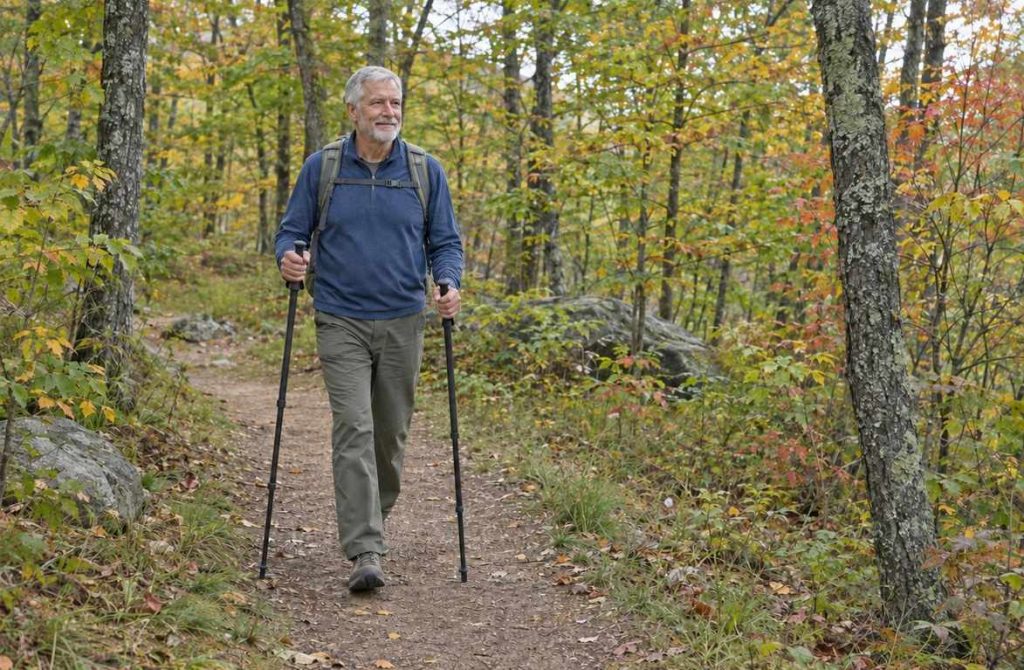
Hiking with arthritis is possible with the right trail choices, gear, and a little preparation beforehand.
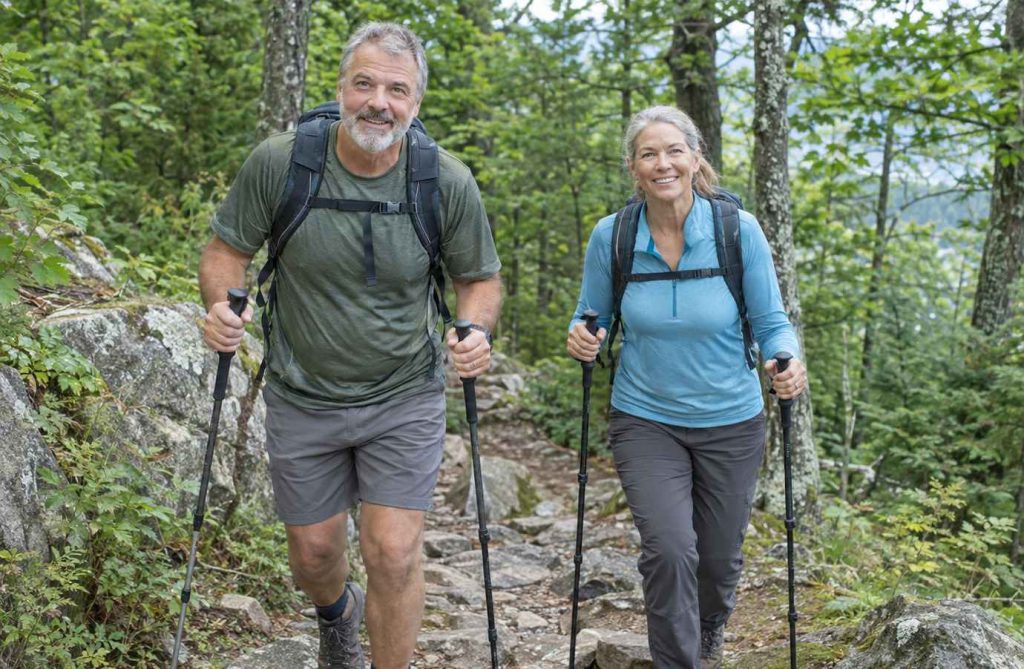
How U.S. parks rate trails as easy, moderate or strenuous, why one park’s label differs from another’s, and how to check distance and climb yourself.
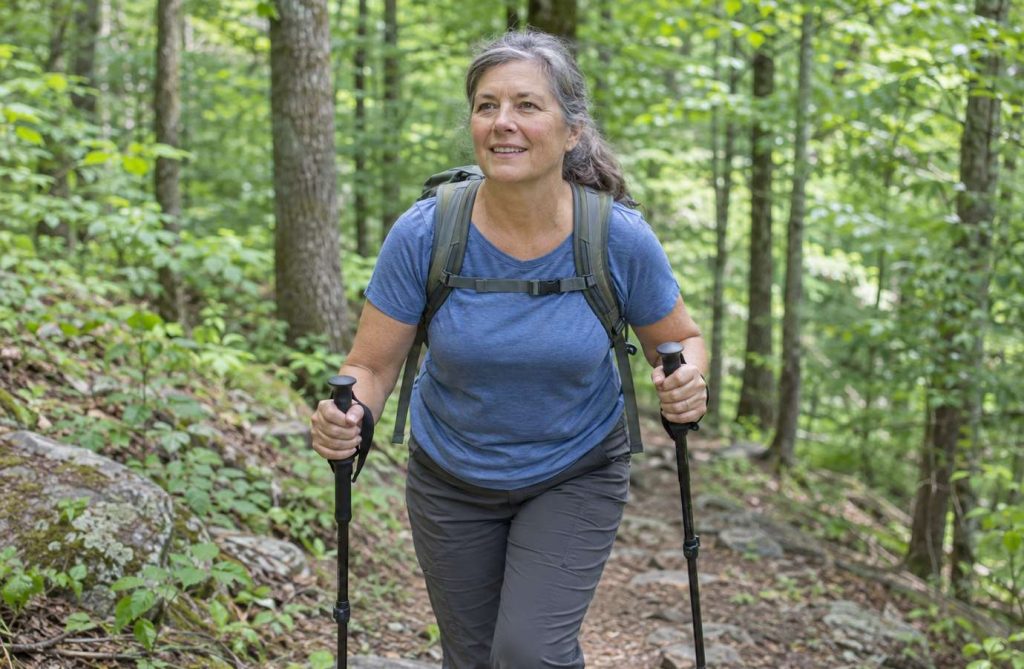
Add distance a little at a time, pace yourself by conversation, and give your body rest days. A steady plan builds hiking stamina without rushing.
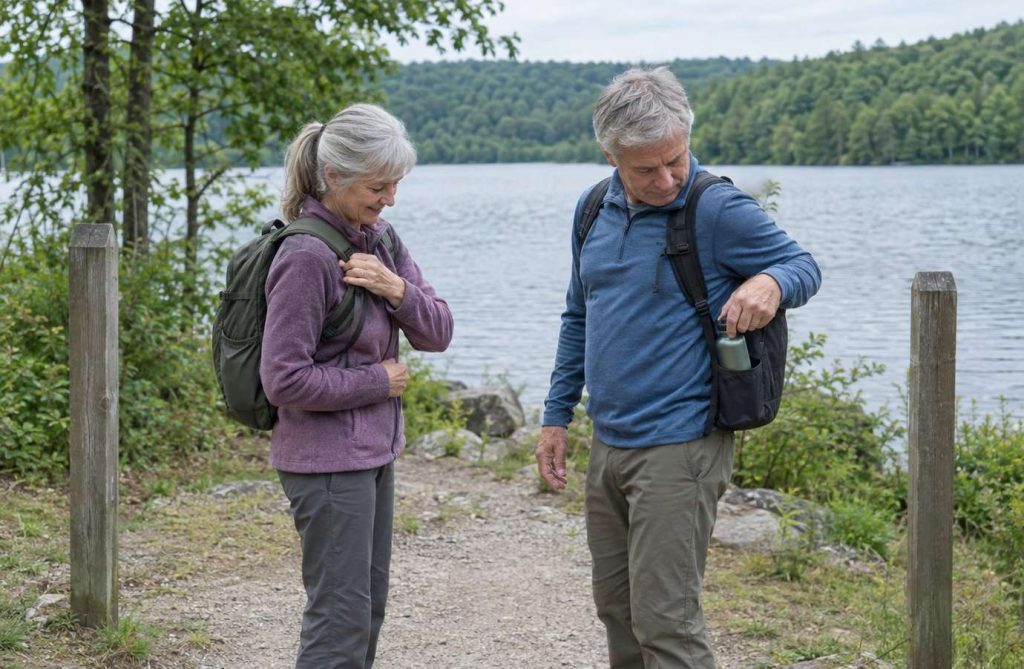
A short hike needs more than water and snacks. Here’s what belongs in your daypack and why each item earns its space.