
Solo hiking can feel like stepping into the wilderness alone, but you’re not defenseless. The key difference between a great hike and a dangerous one comes down to preparation.
You’ll need to assess your fitness level, plan your route carefully, and tell someone exactly where you’re going.
Assess Your Fitness and Experience Before Solo Hiking
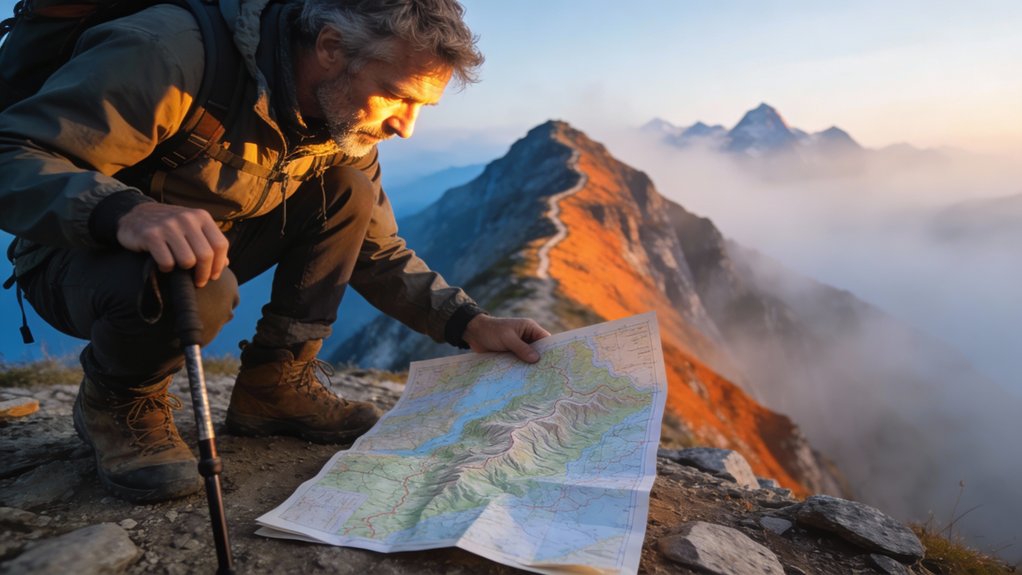
Before you head out solo, take an honest look at your current fitness and experience level.
Start by doing regular strength and endurance exercises built for hiking. This prepares your body for longer distances without overtaxing it.
Be honest about where you are today, not where you’d like to be. Hiking alone is less forgiving than hiking with a group, so the fitness you bring is part of your safety margin.
Increase difficulty gradually, only when you’re genuinely ready.
Consider a progressive training approach to build your stamina safely over time.
Start on Short, Familiar Trails to Build Confidence
For your first solo outings, skip the challenging 10-mile summit trail and spend time on shorter, local routes you already know.
Here’s how to approach building confidence:
- Choose trails you can finish in 1-2 hours.
- Pick routes within a few miles of home.
- Select paths you’ve walked before or researched thoroughly.
- Increase difficulty gradually as you gain experience.
You’ll recognize landmarks better on familiar terrain, which reduces the risk of getting lost. Quick returns keep help accessible if something goes wrong.
Start shorter and flatter than you think you need to. Confidence builds faster than fitness.
Plan Your Route and Check Weather Forecasts
Detailed planning separates confident solo hikers from unprepared ones.
Here’s what to do before stepping onto the trail:
- Look up your trail on AllTrails or a similar app to check its distance, difficulty, and recent trail reports.
- Check the weather forecast for the trail itself, not just the nearest town.
- Note the elevation gain and terrain so the hike matches your fitness.
- Know where the trail meets a road or junction, so you always have a way to cut it short.
Conditions can shift fast. Download an offline map before you lose signal, and set yourself a turnaround time so a slow start doesn’t leave you finishing in the dark.
Weather changes are the most common reason to turn back early.
Pack safety items and snacks in your daypack to handle unexpected situations.
Always Tell Someone Your Itinerary and Return Time
There’s one step you can’t skip.
Tell someone exactly where you’re going and when you’ll be back.
This isn’t about losing your independence.
It’s about making smart choices.
Give a trusted friend specific trailhead details and your planned stops. Set a clear return time, and establish check-in points throughout your hike.
Your contact should know local emergency numbers and when to alert authorities.
This simple step creates a safety net without changing how you hike.
Pack Safety Gear to Prevent Wildlife Encounters and Emergencies
Whatever the distance, the gear in your pack is your first line of help when something goes wrong.
Start with the essentials that earn their place on any trail. Pack a first aid kit with bandages, antiseptic, and a wrap for sprains.
Add a whistle for signaling, since three sharp blasts mean distress everywhere. A map and compass keep you oriented when digital tools fail.
If you hike where bears are active, carry bear spray and keep it accessible on your hip belt, not buried in your bag. Recent trail reports will tell you what wildlife to expect on your route.
These items aren’t optional. They’re practical insurance.
Carry Reliable Communication Devices for Remote Areas
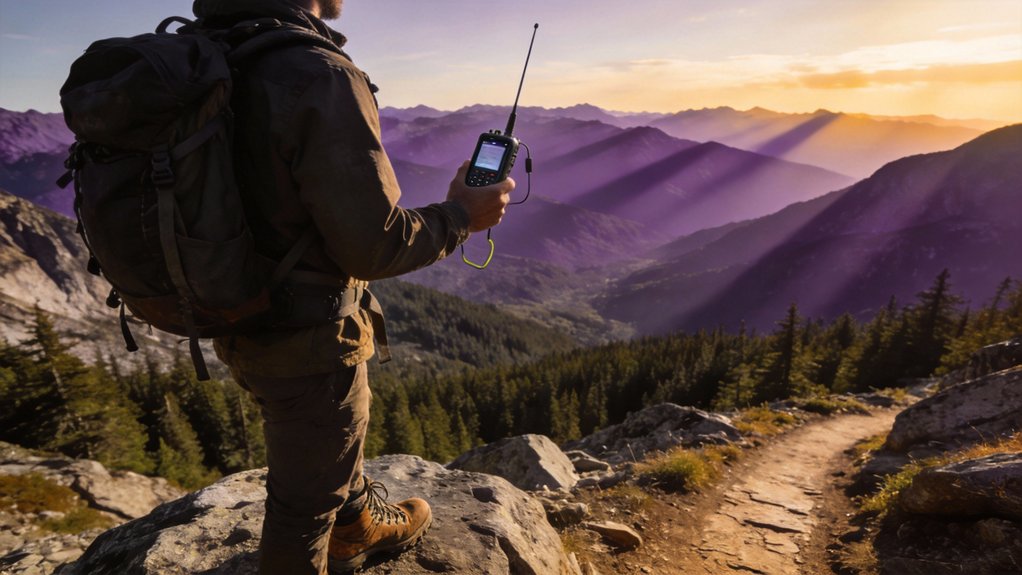
As your routes take you beyond familiar local trails and into more remote country, cell coverage gets unreliable fast. Deep enough in the backcountry, your phone probably won’t work at all.
Plan as if it won’t.
For those more remote hikes, you’ll need backup communication tools that work where cell towers don’t.
Consider these essential devices:
- Satellite messengers like Garmin inReach Mini enable text messaging and location tracking anywhere.
- Personal Locator Beacons (PLBs) provide emergency SOS capabilities when you need immediate help.
- Dedicated hiking communicators offer reliable connectivity independent of cell towers.
- Power banks extend battery life on extended trips.
Familiarize yourself with your device’s features before departing.
You want confident operation before an emergency, not during one.
Charge everything fully beforehand. Dead batteries don’t help anyone.
Distinguish Real Danger From Fear: When to Retreat
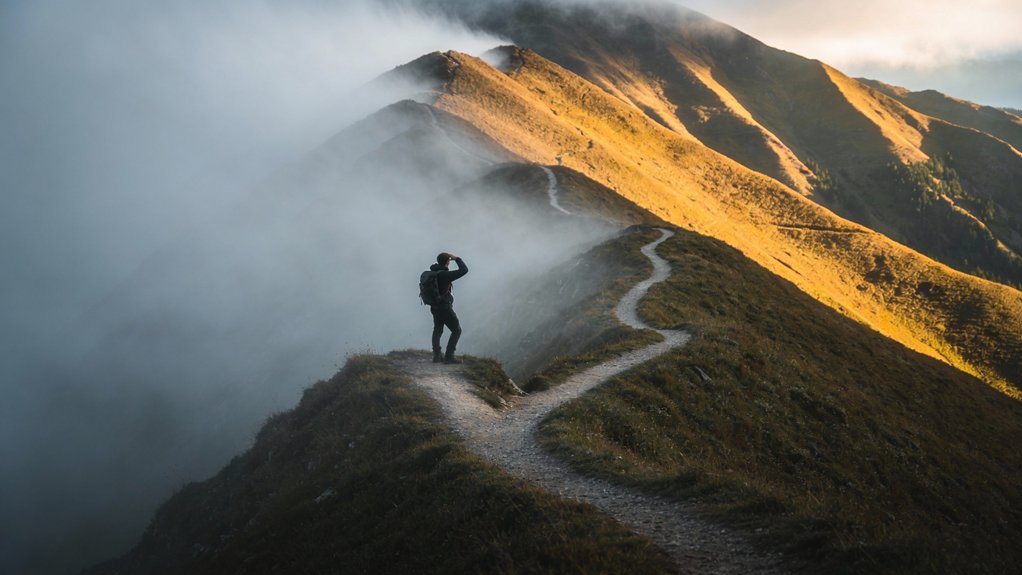
As you spend more time on trails alone, you’ll notice that fear and actual danger aren’t the same thing. Nervous feelings don’t always mean you’re in real trouble.
Before reacting, do a calm assessment. Check the weather. Examine trail conditions. Listen for unfamiliar sounds.
Trust your instincts if something feels genuinely wrong, but don’t confuse unease with threat. When you encounter wildlife, retreat quietly and keep your distance.
Turning back is a decision, not a failure.
Pick a reassessment point halfway through your hike. If conditions worsen or discomfort grows, heading back is the smart call.
If you have a heart, lung, joint, or balance condition, ask your doctor what distance and terrain make sense before you set out.