
You’ve probably noticed that hiking a five-mile trail feels way harder than a two-mile one. Building endurance isn’t about pushing yourself to exhaustion on day one. It’s about smart, steady progression.
Start with shorter routes, add a mile or two weekly, and mix in targeted exercises. But most hikers miss the real secret: the work you do between hikes matters as much as the hikes themselves.
Build Endurance Gradually: Start Small, Progress Steadily

If you’re new to hiking or getting back into it, starting small is your best strategy.
Begin with routes of two to three miles, and track your distance carefully as you progress. Add one to two miles every week or two, letting your body adapt without getting overwhelmed.
Gradual progression prevents injury and burnout. You’re building a foundation, not rushing toward a finish line.
Once you’re comfortable at four to five miles, you’ll feel ready for more demanding trails. Remember to invest in proper footwear to support your feet and ankles as you increase your mileage.
Patience wins every time.
Strengthen Key Muscles With Targeted Cross-Training
Hiking builds cardiovascular fitness, but you’ll also need to strengthen the muscles that power your climbs.
Cycling and swimming enhance overall fitness without joint stress. Compound exercises like step-ups and mountain climbers directly work your quads, hamstrings, and glutes, the muscles you depend on uphill.
Single-leg movements improve balance and stability on uneven terrain.
Strength training combined with aerobic work builds muscle endurance, letting you sustain energy over longer distances. Regular outdoor hiking also provides disease prevention benefits that complement your cross-training routine.
Progressive resistance training forces your body to keep adapting, preparing you for increasingly demanding hikes.
Master Pacing and Breathing Techniques
Most hikers think the secret is going harder.
It’s going slower.
Endurance on the trail comes down to two things you can control: how fast you move and how you breathe.
Use Naismith’s Rule to plan your hike: one hour per three miles, plus one hour per 1,000 feet of elevation gain. This keeps you moving at a pace you can sustain.
For breathing, try rhythmic inhalation: inhale for four steps, exhale for four steps. On steep terrain, take deeper breaths to fuel your muscles.
When you master pacing and breathing together, you’ll stay strong toward the end of a hike.
Practiced together, these two things keep you moving when others stop.
Prioritize Recovery to Prevent Injury and Burnout
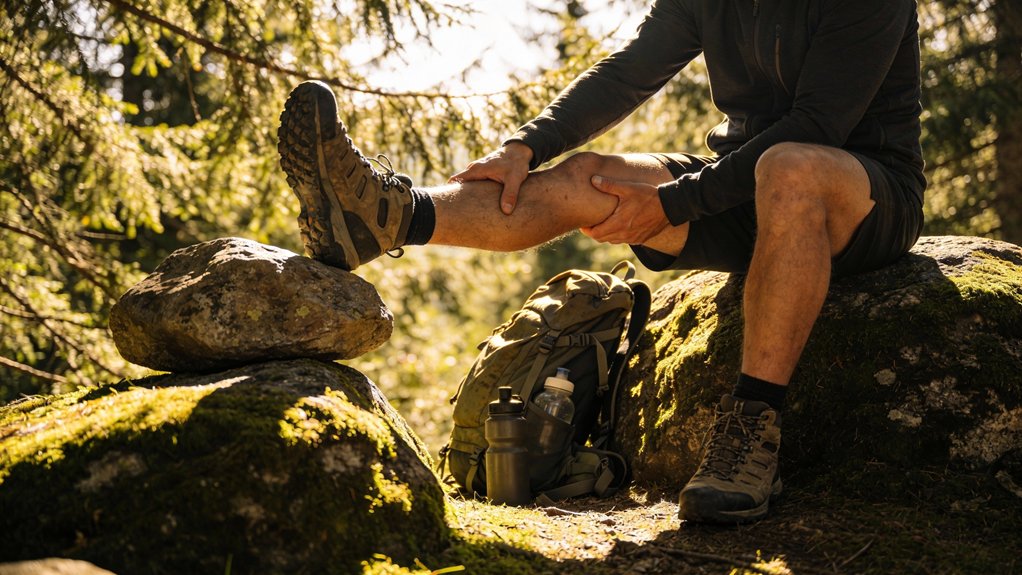
Building pacing and breathing skills gets you up the mountain, but what happens after you come down matters just as much.
Recovery isn’t optional.
It’s where your body actually gets stronger.
- Schedule rest days to avoid overtraining syndrome, which tanks performance and invites injuries.
- Use recovery techniques like foam rolling and stretching to repair muscles and improve flexibility.
- Prioritize sleep: adequate rest restores energy and repairs the muscle tissue that builds endurance.
- Listen to your body and dial back intensity when you’re fatigued, so you stay consistent long-term.
Test Yourself on Varied Terrain
Once you have a foundation of pacing and recovery habits, it’s time to push yourself on different kinds of terrain.
Rocky paths, sandy trails, and muddy surfaces demand muscle engagement across your whole body. They require serious focus and energy.
Start by hiking uphill and downhill segments to build leg strength and cardiovascular fitness. Then gradually increase difficulty as your body adapts.
Terrain variety strengthens stabilizer muscles that flat ground never reaches.
Practice on trails that match your target hike’s conditions. You’ll perform better and reduce injury risk when it counts.
Assess Your Readiness for Your Target Hike
After tackling varied terrain, take an honest look at whether you’re ready for your specific target hike.
- Match your current fitness to the trail’s demands: Compare your longest completed hike to your target’s distance and elevation gain.
- Test similar conditions beforehand: Practice hikes that mimic your target’s terrain, weather, and altitude help you find weak spots in your preparation.
- Monitor recovery time: Notice how quickly you bounce back after demanding workouts. Slow recovery signals you need more base fitness.
- Trust your gut: You’ll know when you’re genuinely prepared versus just hopeful about completing the hike.
Stay Consistent: It’s More Powerful Than Intensity
Pushing hard during every workout might feel like the fastest path to hiking fitness.
The truth is more practical.
Steady, regular training beats sporadic intensity every single time.
Aim for 10,000 daily steps and weekly steady-state cardio sessions. Your body adapts gradually, building real stamina without injury risk.
That means tracking progress, celebrating small wins, and scheduling workouts like appointments. Regular low-intensity exercise over longer durations outperforms occasional hard efforts.
Your future self on the trail rewards this kind of disciplined, patient approach.