
You don’t have to run, lift heavy, or push through pain to get the health rewards of being outside. Low-impact activity gives most of the benefit with little of the risk, and that matters more after 50.
If you’re starting from a quiet decade or two, the question isn’t whether you can begin. It’s where to begin gently.
What “Low-Impact” Actually Means
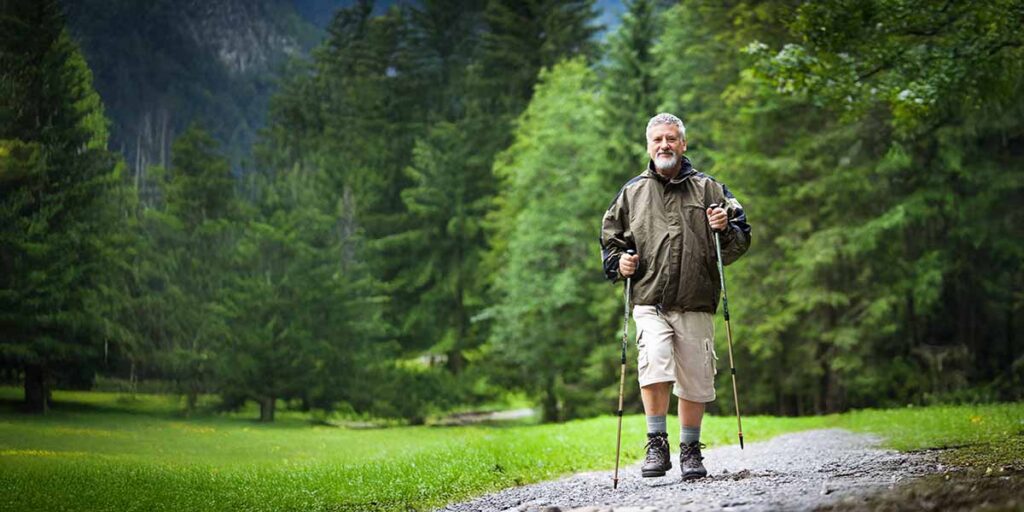
Low-impact means at least one foot stays grounded, or your weight is supported, so your joints never take a hard pounding. Walking, nature trails, calm-water kayaking, and gentle cycling all qualify. Running and jumping don’t.
The point isn’t to go easy because you’re older. It’s that lower force on the knees, hips, and ankles lets you stay consistent without setbacks.
Low-impact doesn’t mean low-benefit. The heart, lungs, muscles, and mind still get a real workout. They just get it without the wear.
Before you ramp up activity, talk to your doctor first, especially if you have heart concerns, balance issues, or joint conditions. A short conversation now saves trouble later.
Physical Benefits That Matter After 50
The body responds to gentle, regular movement at any age. The changes are quiet but they add up across months.
The World Health Organization recommends at least 150 minutes of moderate activity each week for older adults, plus muscle-strengthening on two days. That’s about 20 to 25 minutes a day, well within reach of a daily walk.
The Centers for Disease Control and Prevention links regular activity to lower risk of heart disease, type 2 diabetes, and several cancers, along with better balance and fewer falls.
Falls are a leading cause of injury after 65, so balance is not a small thing.
If sore joints are your worry, the news is encouraging. According to the Arthritis Foundation, regular low-impact movement often reduces joint pain rather than worsening it, because motion keeps the joint nourished and the surrounding muscles strong.
- Weight-bearing walks help maintain bone density.
- Paddling and gentle trails build the leg and core strength that keeps you steady.
- Time outdoors raises vitamin D, which supports bone and muscle health.
There’s plenty written on the specific health benefits of hiking if you want to go deeper on one activity. Walking a trail is one of the most complete low-impact workouts there is.
The Effect on Mood and Mind
Movement outdoors does as much for the head as the body. The combination of light activity, fresh air, and natural surroundings is hard to match.
Research consistently shows that regular activity eases symptoms of anxiety and depression, and it can sharpen memory and attention as we age.
The Anxiety and Depression Association of America explains how even a short walk lowers stress and lifts mood.
You don’t need a long session to feel it. A 20-minute walk through a green space is often enough to settle a restless mind.
There’s also the simple satisfaction of doing something for yourself. Showing up regularly builds a quiet confidence that carries into the rest of your day.
Getting Outside With Others
The social side of outdoor activity is easy to overlook, but for many adults over 50 it’s the part that keeps them coming back.
Walking groups, birding clubs, and kayaking meetups turn exercise into something you look forward to. They also push back against isolation, which the CDC, the US federal public health agency, treats as a genuine health risk for older adults.
- A regular group gives you a reason to show up on the days you’d rather not.
- Beginners feel less self-conscious among others learning at the same pace.
- Shared trails and routes mean someone’s nearby if you need a hand.
A standing weekly walk with a friend will do more than an ambitious plan you abandon in a month.
How to Start Small
The biggest mistake new starters make is doing too much on day one and feeling wrecked the next. The fix is to begin smaller than feels necessary.
A flat 15-minute loop you finish comfortably beats a hill that leaves you sore for three days.
- Walking: a daily loop around the block or a local park, on level ground.
- Nature walks: a paved or well-graded trail where you can stop whenever you like.
- Easy trails: short, low-elevation routes rated easy before you try anything steeper.
- Calm-water kayaking: a rented sit-on-top on a flat lake, where the outfitter hands you the paddle and life jacket.
- Bird watching: a slow stroll with a reason to pause often and look up.
A few easy stretches before you head out keep things comfortable, and you’ll find some simple stretches to warm up gently worth doing whatever activity you pick. Loosen the shoulders, hips, and ankles, and don’t rush the first few outings.
If hiking is what draws you, plenty of people take it up when they start hiking later in life, and the early trails are far gentler than most beginners expect.
The trail ratings on the board at the trailhead are your friend here. Read them before you set off.
When you’re ready for a destination, the National Park Service’s Find Your Park tool helps you locate accessible outdoor spaces near you, including the flat, beginner-friendly ones.
The science is settled on this much: gentle outdoor activity is good for the body, the mind, and the days you spend with other people. The only part left is stepping outside.