
The word “hiking” stops a lot of people before they ever lace up. It calls to mind steep trails, special boots, and a fitness level that feels out of reach. A nature walk asks for none of that.
A nature walk is simply time spent moving gently outdoors, usually on flat, even ground, and it is often the most honest place to begin.
What Makes a Nature Walk Different From a Hike
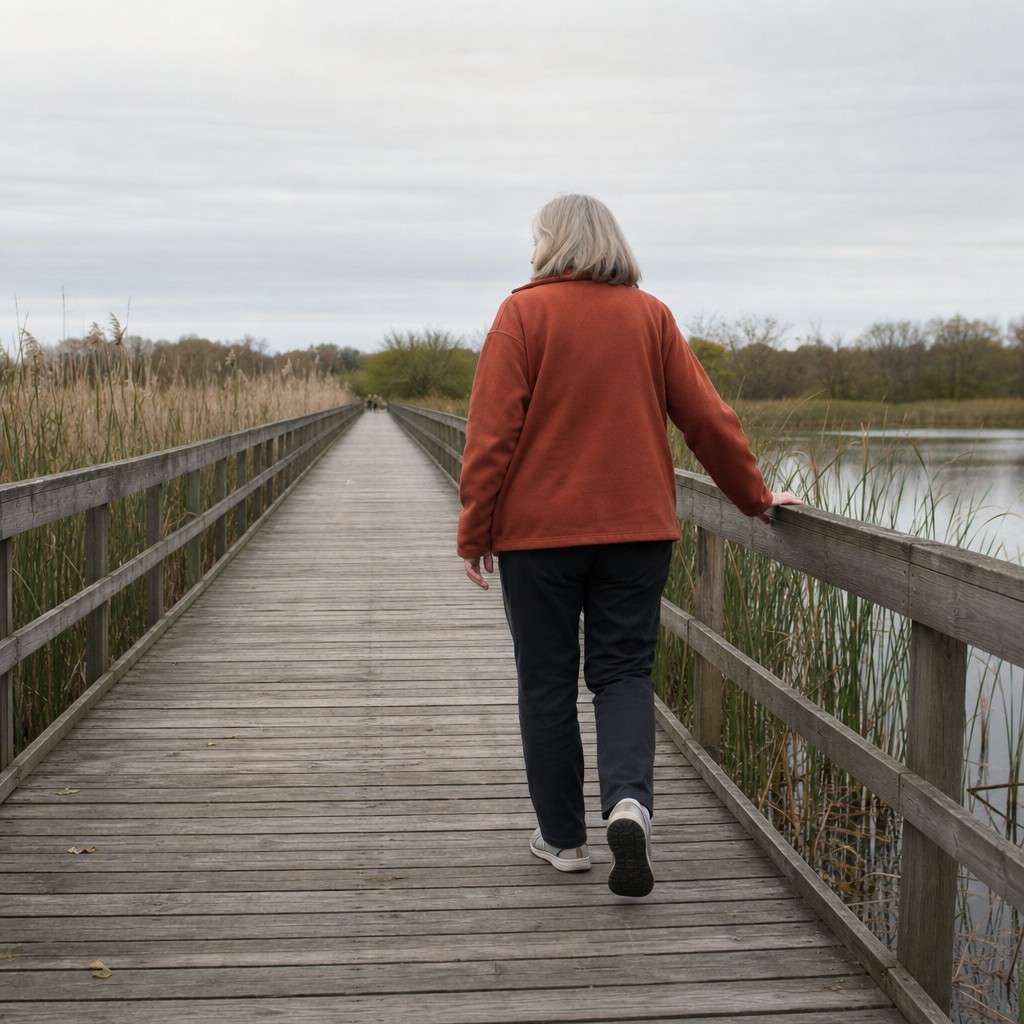
A hike is built around effort. Elevation, distance, and terrain are part of the appeal, and that is exactly what can make it feel out of reach to a newcomer.
A nature walk removes that barrier on purpose. The ground is flat or paved, the loop is short, and you can turn back whenever you like. The goal is being outside, not getting somewhere.
This is not a lesser version of the outdoors.
A large body of research has linked time in green spaces to lower stress and better mood, and the Centers for Disease Control and Prevention notes that any amount of physical activity is better than none.
Walking counts, and you do not have to earn the benefit with intensity.
Where to Find Easy and Accessible Routes
The best beginner routes are closer than most people expect. You are looking for flat ground, a smooth surface, and a way to gauge the distance before you commit.
Good places to start include:
- Local and regional parks with paved loops and clear signage
- Nature reserves and wildlife refuges that maintain level, marked paths
- Rail-trails, old railway lines converted to flat walking corridors
- Botanical gardens, which pair smooth paths with plenty to look at
- Boardwalks over wetlands or marsh, often fully step-free
Boardwalks and paved loops are worth seeking out early, because stable footing removes one of the main worries for anyone unsure about balance or joints. When you check a park’s website, look for the words “accessible,” “ADA,” or “paved.”
The National Park Service publishes accessibility details for many of its sites, and state park systems often do the same.
What to Bring (No Special Gear Required)
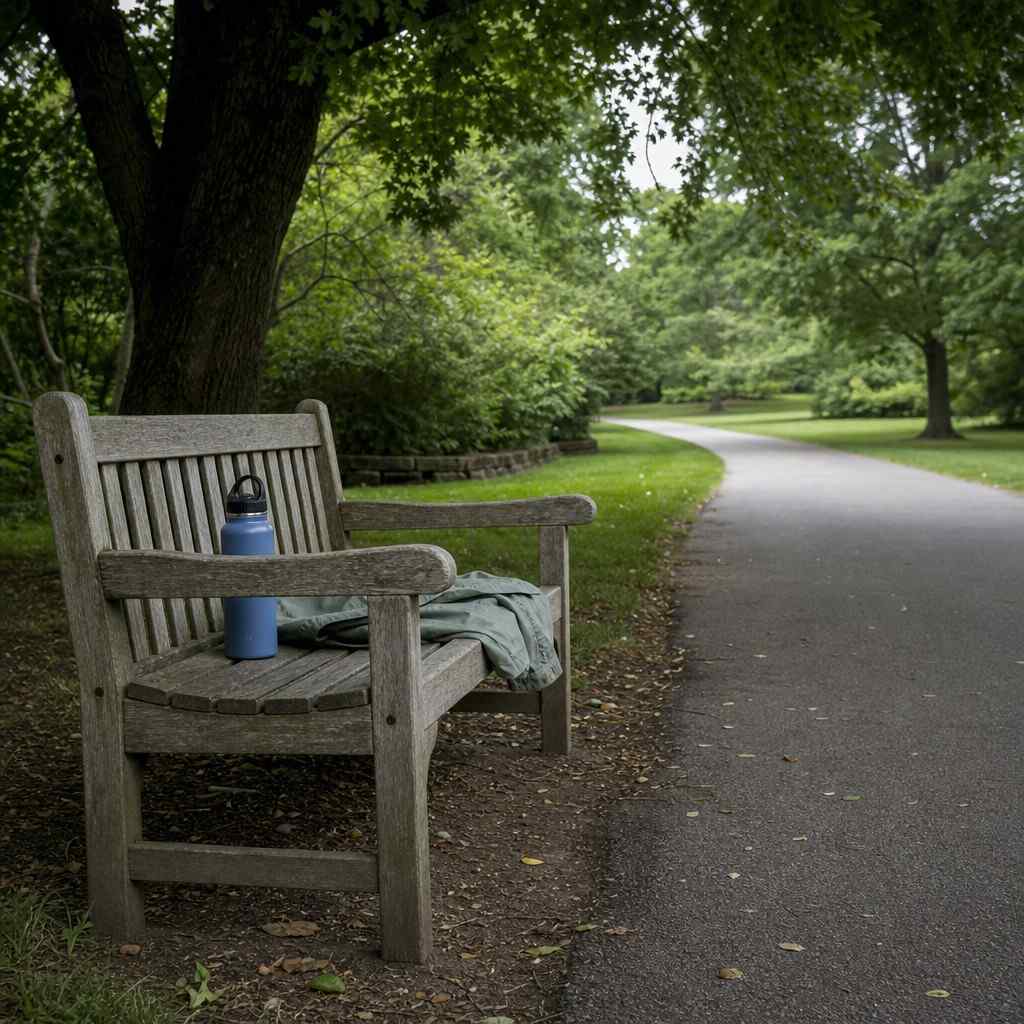
One quiet advantage of a nature walk is that you almost certainly already own what you need. There is no shopping trip standing between you and the door.
A short list covers it:
- Water, even on a cool day, because thirst sneaks up outdoors
- Supportive shoes you already wear, such as walking shoes or sneakers
- Layers you can add or remove as the temperature shifts
- Your phone, for the map, the time, and a quick photo
The one thing worth a second look is your shoes, and whatever pair you walk to the mailbox in is usually fine to start.
Pacing Yourself and Making It a Habit
Beginners almost always start too fast, then feel discouraged when they tire early. A simple test prevents that.
Pace yourself by conversation: if you can’t talk, slow down. If you could comfortably chat with a friend at your pace, the effort is right; if you are too winded for a sentence, ease off.
The aim is not to test your limits. It is to end each walk wanting to come back, and that is also what makes the habit stick.
A short walk three times a week will do far more over a year than an exhausting one you dread.
A few small things make returning easier. Keep your shoes by the door, and pick one or two routes you already like so the choice never stalls you.
Noticing what changes with the seasons helps too, because few things make a walk worth repeating like quietly watching birds and wildlife on a walk as they shift over the months.
A short walk three times a week will do far more over a year than an exhausting one you dread.
For older adults in particular, the simple ability to keep moving is closely tied to staying independent.
The research on the health benefits of walking and being outdoors keeps returning to the same point: regular, manageable activity protects far more than fitness alone.
And if the easy loop ever starts to feel too comfortable, many people find that stepping up to gentle hiking later in life feels like a natural next step rather than a leap.
A Few Gentle Accessibility Notes
A little planning makes a walk far more comfortable, especially if you are managing joint concerns or simply prefer not to be caught out. Before you go, it helps to know a route offers:
- Benches along the way, so a rest is always an option
- Flat, even ground without loose gravel or sudden steps
- Restrooms near the start or partway around
- Shade, which matters more on warm days than people expect
Many parks list these details on their maps.
The Arthritis Foundation has long pointed to regular, gentle walking as a way to keep joints moving and ease stiffness rather than worsen it, which is reassuring for anyone who has been told to “take it easy.”
One sensible note before you begin: if you have a heart condition, a recent injury, or other health concerns, it is worth a quick word with your doctor first. That is a normal step, not a warning sign.
Either way, you got there by starting small, and an easy walk in a quiet park is more than enough to begin.