
Getting started on the trails is less complicated than it looks.
The right preparation makes the difference between a good first outing and one that puts you off for months.
Whether you’re new to outdoor activities or returning after years away, these tips cover the basics for safe, enjoyable hikes from the start.
1. Finding Beginner-Friendly Trails Near You
The best first hike is one that’s close to home and matches your current fitness level. Local parks and regional trails are excellent starting points without requiring long drives or overnight stays.
The American Hiking Society maintains a comprehensive database of trails across the country. Their “Hikes Near You” feature lets you search by location and difficulty level.
The organization also partners with the Hiking Project, a community platform where experienced hikers share detailed trail information, photos, and difficulty ratings.
Start with well-maintained, clearly marked trails rated “easy” or “beginner.”
For your first few outings, look for shorter distances (2-4 miles) with minimal elevation gain. State and county parks typically offer excellent beginner trails with good signage and regular maintenance.
2. Preparation: The Foundation of Safe Hiking
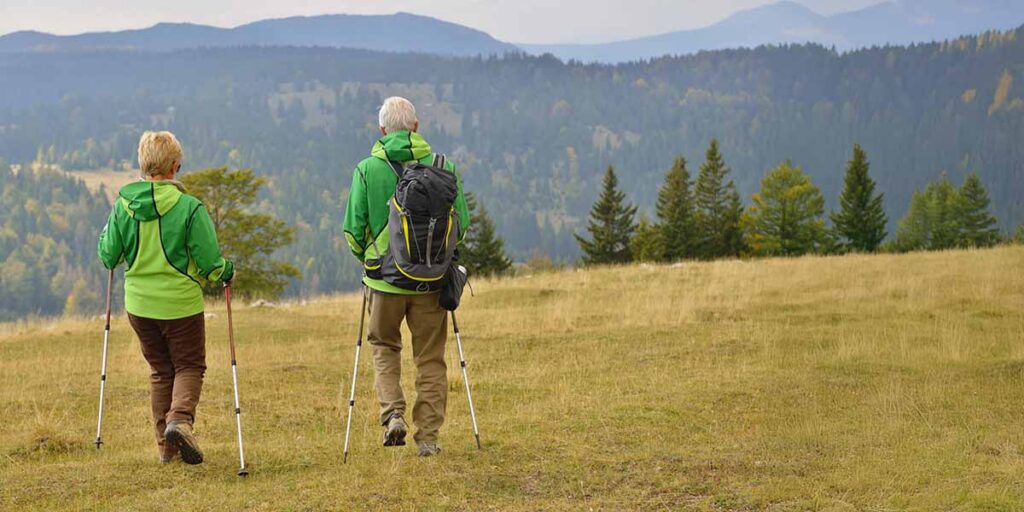
Before every hike, check the weather forecast and trail conditions. Weather can change rapidly, especially in mountainous areas.
Knowing what to expect helps you dress appropriately and pack what you need.
Tell someone your plan before you leave. Share your intended trail, expected return time, and emergency contact information. This is particularly important when hiking alone.
If you don’t return as planned, someone will know where to start looking.
That one step costs nothing and can matter a lot.
Carry at least one reliable form of communication. Cell phones work well in many areas, though signal strength varies on remote trails.
Download offline maps before leaving home, since you won’t always have data coverage. Some hikers carry personal locator beacons for truly remote areas.
3. Choosing Appropriate Footwear
Your feet carry you through every hike. Well-fitting hiking boots or trail shoes provide ankle support, traction, and protection from rocks and roots.
Most beginners buy new boots and head straight out on a long trail.
That’s the fastest route to blisters.
Break in new footwear gradually with shorter walks around your neighborhood or local parks. This softens the materials and identifies pressure points before you’re miles from the trailhead.
The right footwear prevents more injuries than any other gear choice.
Look for boots with good arch support and ankle stability, especially if you’re concerned about balance or have a history of ankle issues. Many outdoor retailers offer fitting services where staff can assess your gait and recommend appropriate options.
4. Staying Properly Hydrated
Dehydration is one of the most common mistakes beginners make. Your body needs significantly more water during physical activity, particularly in warm weather or at higher elevations.
People often assume they’ll know when they’re thirsty enough to stop.
By then, you’re already behind.
Carry about 1 liter (approximately 32 ounces) for every two hours of hiking. Individual needs vary based on weather, pace, body weight, and terrain difficulty.
Pay attention to your body. Thirst, dark urine, fatigue, and headaches often indicate insufficient hydration.
While a full water supply makes your pack heavier at the start, it gets lighter throughout the day. That’s a worthwhile trade-off.
A hydration bladder system makes drinking easier and encourages more frequent sips.
5. Bringing Extra Power for Your Phone
Your smartphone serves multiple purposes on the trail: navigation, emergency communication, photography, and tracking your progress. Batteries drain faster in areas with poor reception, as your phone constantly searches for signal.
Carry a power bank, particularly on longer hikes. This keeps battery life available for navigation and emergency calls when you need it, without having to choose between that and capturing photos along the way.
6. Understanding the Benefits of Hiking Poles
Hiking poles (also called trekking poles) provide stability, reduce impact on knees and ankles, and help maintain balance on uneven terrain. They’re particularly useful for beginners, older hikers, or anyone with joint concerns.
Poles do more than steady your footing. They’re useful for testing the depth of puddles or streams, clearing spider webs from the trail, and even supporting tarps at campsites.
Many hikers also find poles reduce leg fatigue by distributing effort across the arms and upper body.
7. The Safety and Enjoyment of Group Hiking
Hiking with others offers real advantages for beginners. You’ll have immediate assistance if anyone gets injured, can share the weight of group gear like first aid kits, and benefit from the experience of seasoned hikers.
Many communities have hiking clubs specifically for beginners or seniors. These groups schedule regular outings on well-maintained trails at moderate paces.
Hiking with a group adds social connection and built-in accountability.
A standing weekly walk with a regular group does more than an ambitious solo plan you abandon in a month.
If you prefer hiking alone, start with popular trails where you’ll encounter other hikers regularly. As your experience and confidence grow, you can gradually explore more remote options.
Solo hiking carries more risk. Start on popular trails where you’ll encounter other hikers, and make sure someone knows your plan.
Start Small, Stay Consistent
You don’t need expensive gear or peak physical fitness to enjoy hiking.
Some people wait until they feel “ready.”
The trail doesn’t require ready. It just requires showing up.
Focus on preparation, appropriate footwear, and adequate hydration. Every experienced hiker started as a beginner.
The key is taking that first step onto the trail, learning from each outing, and gradually building your skills and confidence.
Regular hiking is one of the most rewarding activities you can keep up at any age, and it’s never too late to begin.