
Hiking with arthritis isn’t a barrier. It’s a puzzle with a practical solution.
Your joints need specific preparation before you head out. You don’t have to give up outdoor activity, and most of what helps is straightforward once you know what to look for.
Understand Your Arthritis Before You Hike
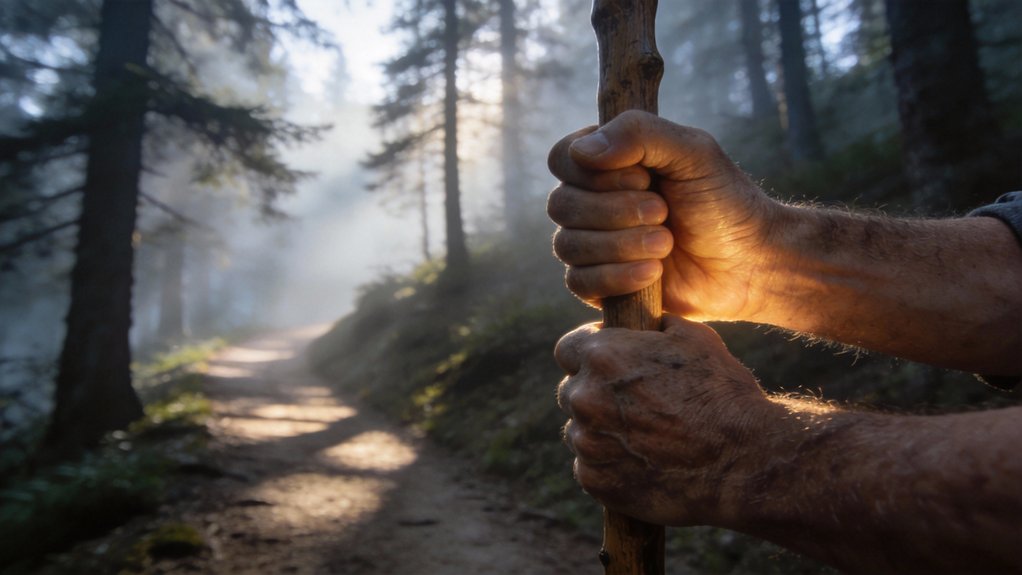
Before you lace up, it helps to understand what’s happening in your joints. Osteoarthritis breaks down cartilage in the knees and other joints, causing stiffness and pain during weight-bearing activities. Swelling and reduced mobility are common, especially on steep terrain.
Most people assume hiking will make arthritis worse.
It doesn’t have to.
Getting a physical therapist assessment first can tell you your specific limitations and strengths, so you hike smarter. Knowing your own pain thresholds before you set out protects your joints long-term.
Regular hiking actually helps maintain mobility when done right, reducing stiffness over time.
Talk to your doctor before starting a hiking program, especially if your arthritis affects how you move day-to-day.
Assess Your Current Fitness Level and Joint Capacity
A fitness evaluation from a physical therapist can show you your knee flexibility and what you can comfortably handle.
Monitor your pain levels during everyday activities: stairs, walking, sitting. Track how long you can move before discomfort sets in.
This baseline matters. It guides your trail selection so you pick hikes that match where you are right now, not where you hope to be.
Gradually building intensity prevents flare-ups more reliably than pushing through on a hard day.
Choose Low-Impact Trails That Match Your Knees
Trail choice matters more than almost anything else when you’re managing arthritis.
Research trails beforehand using hiking resources and local guides that highlight low-impact options. Look for routes with gentle inclines and well-maintained surfaces that won’t stress your knees.
Good features to look for:
- Flat terrain with minimal elevation changes
- Packed dirt or paved surfaces instead of rocky paths
- Shorter distances that allow frequent rest stops
- Shaded sections for comfortable breaks
Steep or uneven paths aggravate joint pain and tire you faster. Shorter, flatter trails let you enjoy being outside without putting unnecessary strain on your joints.
Wearing proper footwear designed for stability and support is especially important when managing arthritis on the trail.
Essential Gear: Shoes, Poles, and Joint Support
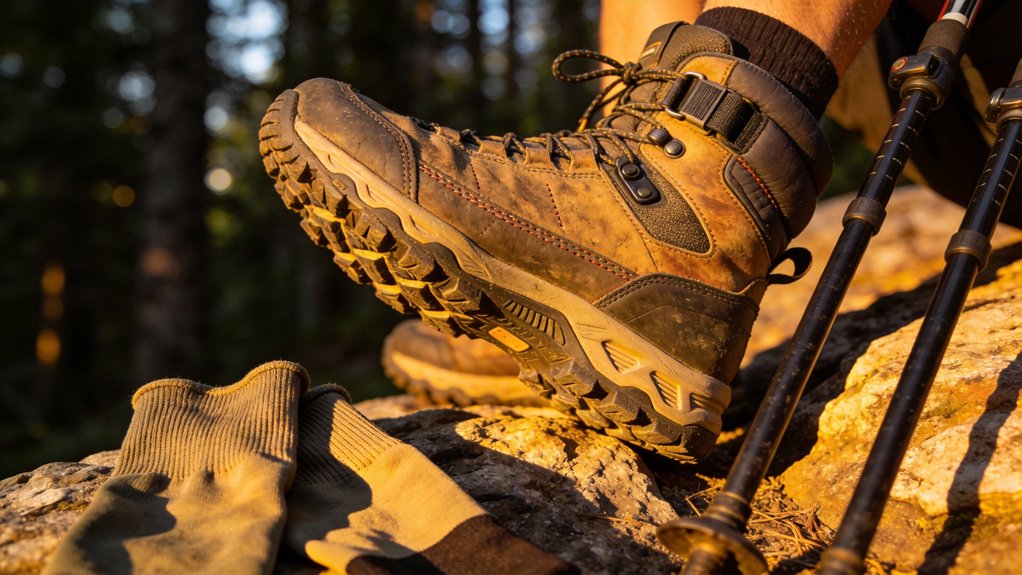
Once you’ve picked a suitable trail, what you put on your feet matters just as much.
Look for hiking shoes or boots with ample cushioning and a wide toe box. These reduce pressure on your knees and hips and help prevent blisters.
Replace your footwear when the cushioning becomes worn. Worn-out soles lose the joint support that makes them worth wearing.
Add orthotic inserts for extra arch support if you need them.
Two trekking poles distribute your weight evenly and take real load off your knees on descents.
Flexible knee braces are worth considering too. These tools work together to keep you moving safely.
Prepare Your Joints: Warm-Up and Stretching Routines
Getting your joints ready before you hit the trail makes a real difference in how you feel during and after your hike.
A solid warm-up boosts blood flow to your muscles and joints, cutting injury risk and stiffness. Dynamic stretches like leg swings and arm circles prepare your body for movement and improve joint mobility.
After warming up, target your legs, hips, and back with static stretches:
- Quadriceps stretches to ease thigh tension
- Hamstring stretches for the back of your legs
- Hip flexor stretches for deeper movement
- Lower back stretches for spine flexibility
Regular stretching keeps your joints healthy and builds hiking endurance over time.
Manage Pain on the Trail and Prevent Flare-Ups
Managing pain during the hike itself is the next piece after warming up.
Heat or cold therapy and over-the-counter pain relievers before you head out can reduce discomfort.
Take regular breaks every 20-30 minutes to rest your joints.
Pacing yourself matters more than people expect.
Many hikers assume pushing through pain is the right approach.
It isn’t.
Stay hydrated throughout your hike and increase intensity gradually. That combination does more to prevent flare-ups than almost anything else.
Choose trails that match your fitness level and avoid steep or uneven terrain. Mindfulness techniques can help shift attention away from pain signals when discomfort sets in. These strategies together keep you moving safely and comfortably.