
Most hiking groups meet weekly, not monthly, so you get consistent opportunities to build fitness and friendships without a long wait between outings.
Finding a group isn’t complicated. Meetup and Facebook host thousands of active groups organizing regular outings. You can also check bulletin boards at outdoor retailers or contact your parks department for suggestions.
The real question isn’t where to find a group.
It’s which one fits your pace.
Why Hiking Groups Build Fitness and Friendships
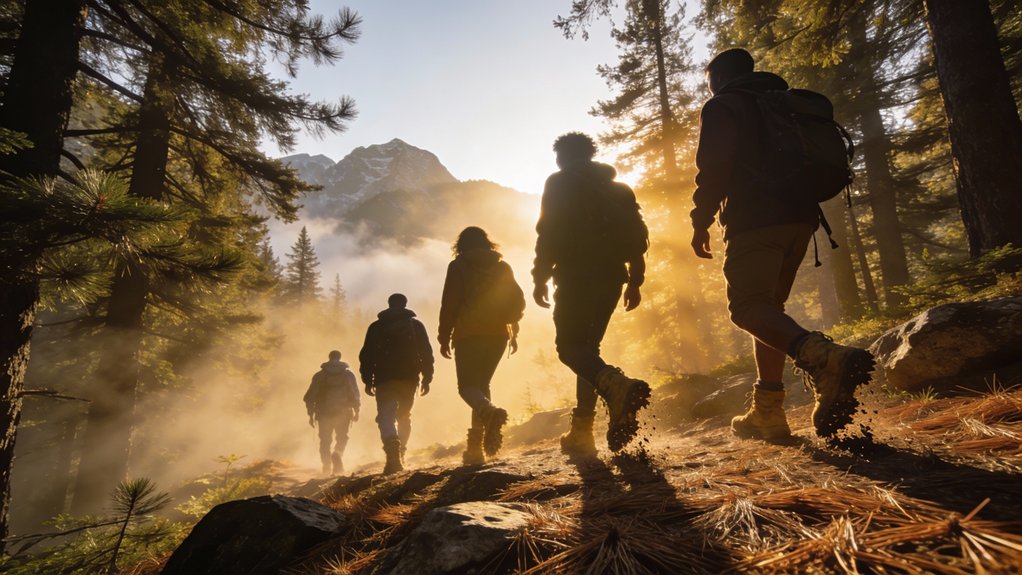
When you join a hiking group, you’re signing up for more than weekend walks.
Regular physical activity strengthens your cardiovascular system and builds muscle endurance. Friendships form naturally as you tackle trails together, built on shared effort and scenery rather than forced small talk.
Research shows that outdoor activities like hiking significantly reduce anxiety and depression through health benefits including disease prevention and mental health improvements.
People assume you need to get fit before joining a group.
Most people get fit because they joined one.
The accountability is built in. You exercise consistently, your stress drops, and you develop real connections, all at once.
Where to Find Hiking Groups in Your Area
You’ve got solid options both locally and online. Start here:
- Check Meetup and Facebook for hiking groups near you.
- Visit local outdoor retailers and community centers for event flyers.
- Contact nonprofit organizations like nature conservancies or parks departments.
- Download AllTrails or Gaia GPS to find community forums.
- Ask friends whether they’ve joined a group.
Word-of-mouth is underrated.
A friend who already knows the vibe can tell you more than any listing.
What to Expect on Your First Hike With a Group
Your first outing will introduce you to hikers of varying paces and skill levels. That variety actually enriches the experience.
A group leader handles navigation so you can focus on the trail. Expect to carry water and snacks for sustained energy, and stay with the group rather than drifting ahead or falling too far back.
Before your first group hike, make sure you have footwear suited to the terrain. The right shoes prevent more injuries than any other single gear choice.
Practice good trail etiquette: communicate concerns early, follow the leader’s instructions, and let people know if you need to slow down. Groups are used to this.
Nobody will think less of you for speaking up.
You think you need to keep up.
You don’t. You just need to stay honest.
You’ll take breaks together, share views at the top, and finish feeling genuinely accomplished alongside people you’re just starting to know.
How to Build Real Connections With Your Group
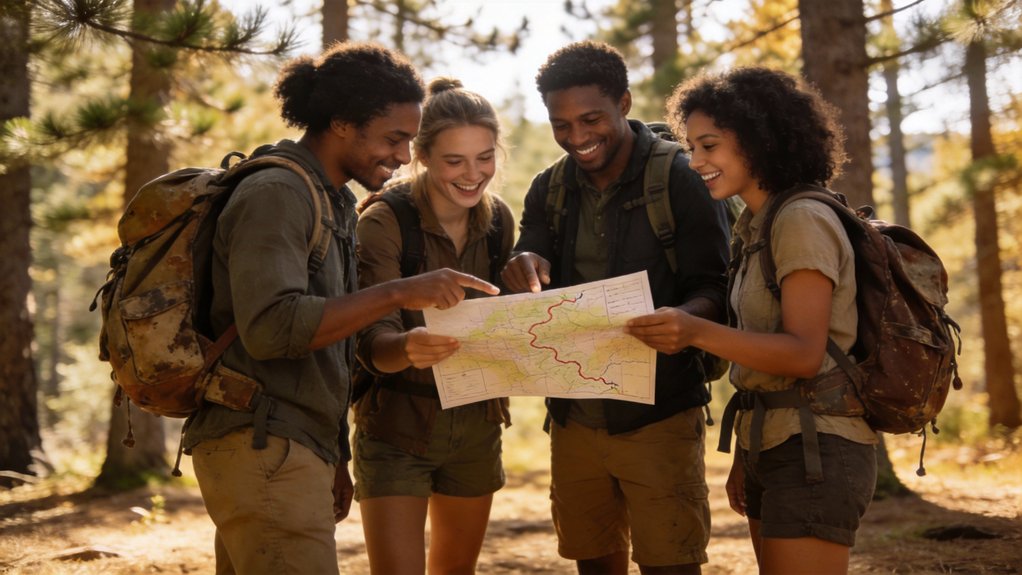
Spending hours on trails with the same people naturally creates friendships. A few habits speed that up.
- Communicate openly about pace, safety concerns, and what you’re hoping to get from the group.
- Attend optional post-hike meals or coffee for deeper conversation.
- Ask about people’s hiking backgrounds and share what drew you to it.
- Show up consistently, even when the weather is only okay.
Regular attendance matters more than any single conversation.
You don’t need to be outgoing. Shared effort is a surprisingly good foundation, and most hiking groups are used to welcoming newcomers.
Finding a More Specialized Hiking Group
Once you’ve built some comfort with a casual group, you might want steeper trails or more technical terrain.
Search Meetup and Facebook for groups that focus on advanced techniques, rock climbing, or alpine hiking. Check local outdoor retailers and community centers for specialized clubs and courses.
Organizations like the Sierra Club, an American conservation charity, or the Florida Trail Association offer access to experienced hikers and advanced workshops.
Hiking apps like AllTrails and Gaia GPS have community forums where people discuss challenging routes. Outdoor adventure expos are another way to meet club representatives and compare options.
Start with the casual group, get a season of trails under your boots, then step up when the easy routes feel comfortable.