
Plenty of people picture gardening as a chore rather than an activity. It sits in the same mental bin as raking leaves or mowing the lawn, something you do to the yard rather than something you do for yourself.
That framing misses a lot. A garden gets you outside, keeps you moving at your own pace, and gives the day a small, satisfying point.
It’s never too late to start, and you don’t need to be an athlete. Tending a few plants asks far less of your body than a trail does, and the benefits show up anyway.
Why Gardening Counts as Real Outdoor Activity
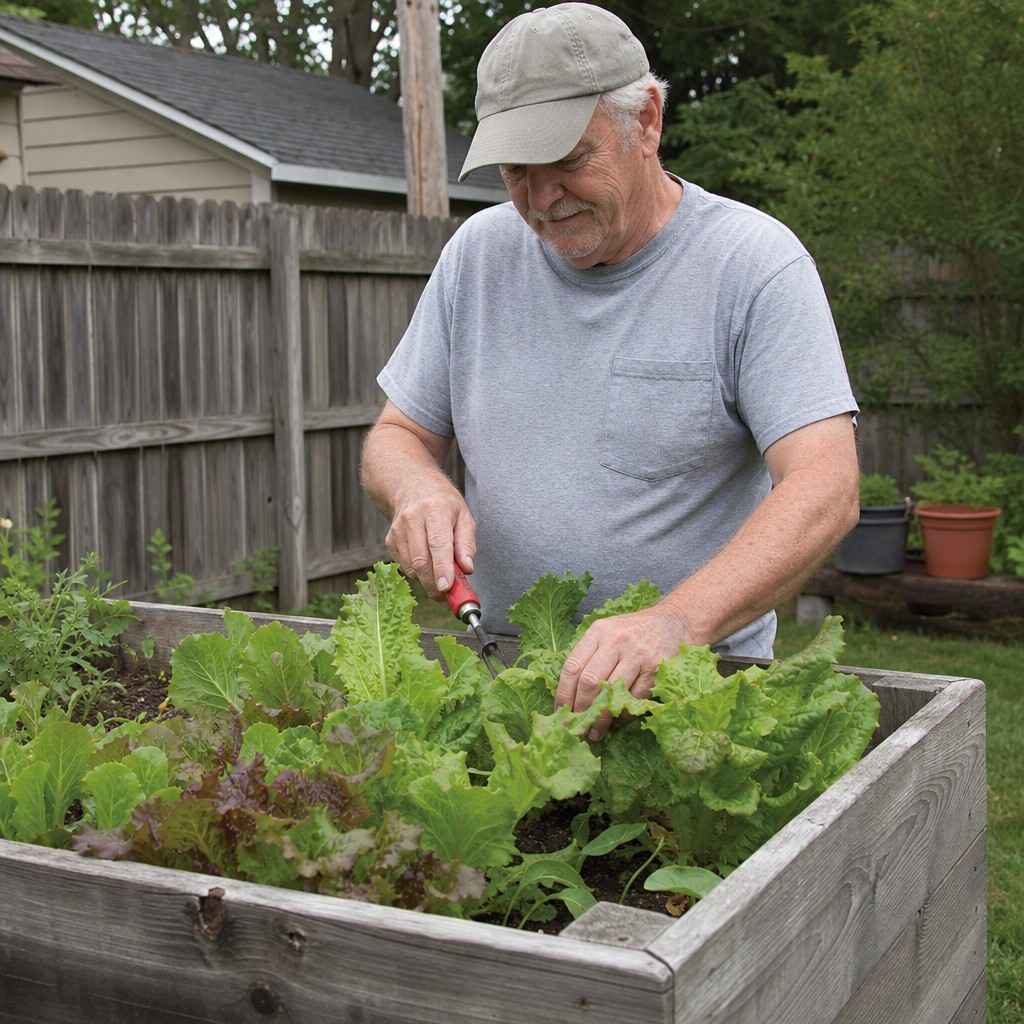
It’s easy to dismiss gardening because it doesn’t look like exercise. There’s no trail, no distance, no finish line.
Look closer and it ticks the same boxes that make any easy outdoor habit worthwhile. You’re outside in daylight, and you’re moving, bending, reaching, and carrying, just gently and in short bursts.
That combination is the whole point. Time outdoors plus gentle movement is exactly the recipe behind the broader health benefits of getting outside and staying active, and a garden delivers it a few steps from your back door.
Low-impact doesn’t mean low-benefit. A short session among the plants still adds up, especially when it happens most days rather than once in a while.
What Gardening Does for an Older Body
The physical payoff is quieter than a workout, but it’s real and it’s broad.
A typical gardening session moves you in ways a chair never will:
- Mobility, from the bending, reaching, and twisting that keep joints loose
- Light strength work, from lifting a watering can, a pot, or a bag of soil
- Gentle cardio, from the steady puttering that keeps your heart rate up a little
- Vitamin D, from the daylight your skin uses to make it
- Steadier balance, from shifting your weight as you move around the beds
None of this requires pushing hard. The Centers for Disease Control and Prevention counts gardening as moderate physical activity, and notes that any amount is better than none. The National Institute on Aging points to regular, manageable movement as one of the best ways to protect strength and independence later in life.
A little sun helps too. The NIH links safe sunlight exposure to vitamin D, which supports bone and muscle health, both of which matter more after 50. Even twenty quiet minutes among the plants gives your body most of what it’s asking for.
The Mental Side: Calm, Routine, and Purpose
Ask people why they keep gardening and the answer is rarely about fitness. It’s about how it makes them feel.
Part of that is simply being outdoors. The same calming effect that comes from unhurried time outside in a green space is right there in a flower bed or a row of tomatoes.
Part of it is rhythm. A garden gives the week a gentle structure: something to check on, water, and watch grow. That kind of small, dependable routine is steadying, and tending something living adds a quiet sense of purpose that’s easy to lose in retirement.
A garden is also easy to share. A raised bed or a few pots can be a simple way to get grandchildren involved, and they often take to digging and watering faster than you would expect.
The research backs up the mood lift. Studies reviewed by health bodies link time in nature with lower stress and a brighter mood, and gardening keeps coming up as one of the most reliable ways for older adults to get it. A garden gives you a reason to step outside on the days you might otherwise stay in.
Making It Joint-Friendly and Accessible
Sore knees and stiff hands keep a lot of people away from gardening, and that’s a shame, because most of the strain is avoidable. The trick is to bring the garden up to you instead of getting down to it.
A few simple adjustments do most of the work:
- Raised beds or planters that let you tend plants standing or seated, with no kneeling
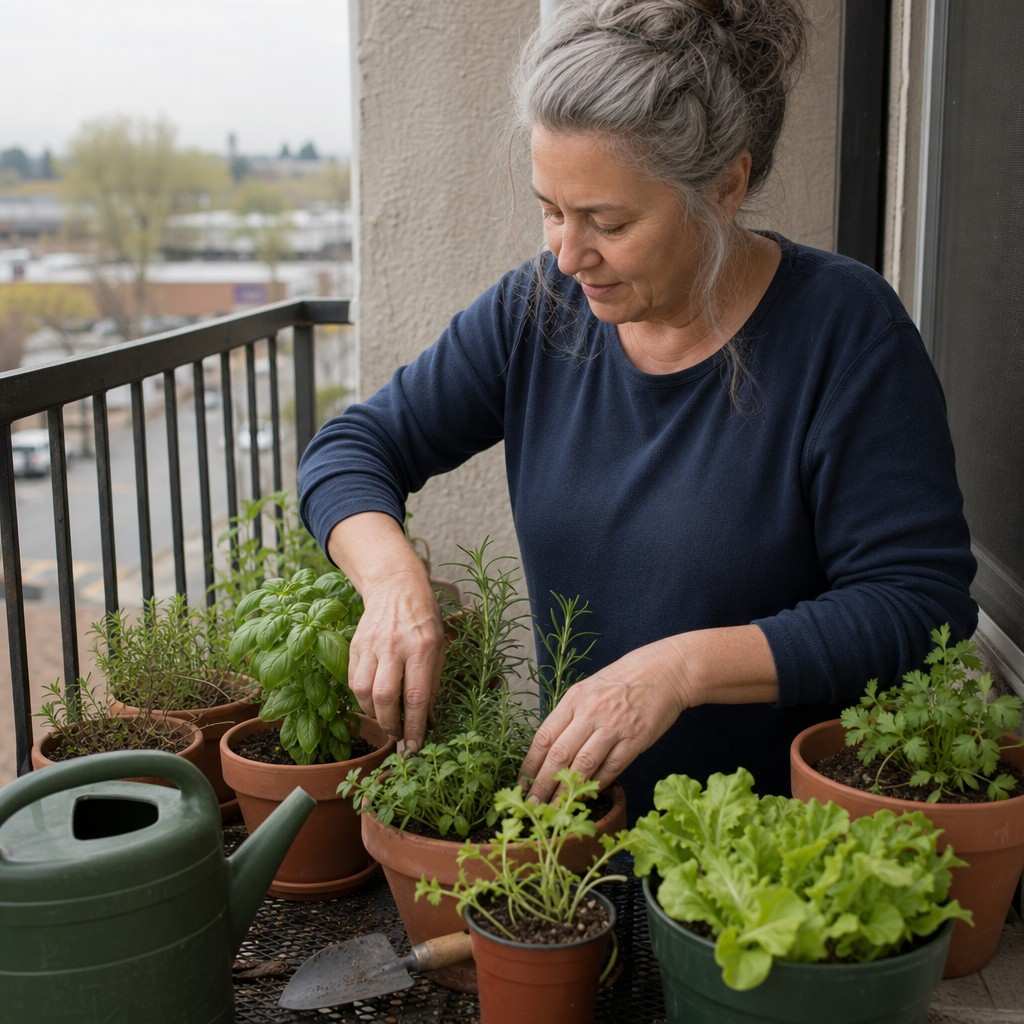
- Container and balcony gardening, so a few pots on a patio or rail count as a full garden
- A padded kneeler with side rails, which cushions the knees and helps you back up
- Lightweight, long-handled tools that save your wrists and your back
- Vertical planters or wall pockets that put greenery at eye level
The Arthritis Foundation has long pointed to gentle, regular movement as a way to ease stiff joints rather than worsen them, and these setups make that movement comfortable enough to repeat.
Pacing matters as much as equipment. Work for short stretches, switch tasks before anything aches, and stop while you still feel good. The goal is to finish wanting to come back, not to clear the whole bed in one go.
How to Start Small
The most common mistake is starting too big. A grand plan for a full vegetable plot is the fastest way to a sore back and an abandoned project.
Begin with almost nothing and let it grow:
- Pick one or two easy plants, like herbs, lettuce, or marigolds.
- Use a single container or one small raised bed.
- Keep the tools to a trowel, a watering can, and gloves.
- Garden in the cooler part of the day, early or late, not at noon.
Heat is the one risk worth taking seriously. Older bodies handle it less well, so drink water before you feel thirsty, wear a hat, and head inside if you feel lightheaded.
One sensible note before you dig in: if you have a heart condition, recent surgery, balance trouble, or other health concerns, it’s worth a quick word with your doctor first. That’s a normal step, not a warning sign.
Gardening rewards the patient and forgives the slow, which is exactly why it suits this stage of life so well. Like the other gentle, low-impact ways to stay active outdoors, it asks only that you show up, do a little, and let the small efforts add up over a season.