
Starting an outdoor activity routine might feel intimidating, but here’s the truth: you don’t need to be an expert to begin. Just show up consistently, and you’ll naturally improve over time.
Whether you’re considering hiking, kayaking, walking, or any outdoor pursuit, the benefits waiting for you are substantial and scientifically proven.
Physical Health Benefits: What Research Shows
Scientific research on physical activity and health has expanded dramatically since the 1990s, building on foundational studies from the 1950s.
Today, we have overwhelming evidence that regular outdoor sports and physical activity contribute significantly to disease prevention and overall health.
Chronic disease prevention:
Regular physical activity helps prevent several serious health conditions, including cardiovascular disease, type 2 diabetes, certain cancers, high blood pressure, obesity, depression, and osteoporosis.
These aren’t minor benefits!
We’re talking about reducing your risk for conditions that significantly impact quality of life and longevity.
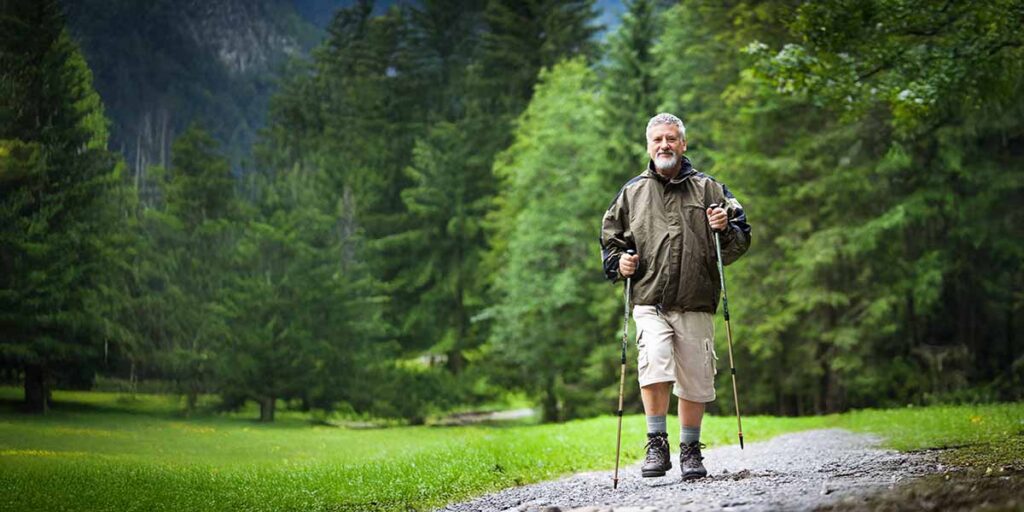
For older adults specifically, staying physically active offers even more targeted advantages.
According to the United Nations Inter-Agency Task Force on Sport for Development and Peace, physical activity helps develop and maintain healthy bones, efficient heart and lung function, and improved motor skills and cognitive capacity.
Age-appropriate benefits:
- As we age, regular physical activity becomes increasingly important.
- It can prevent hip fractures in women and reduce the severity of osteoporosis.
- These conditions often lead to loss of independence.
Perhaps most importantly, staying active helps maintain functional capacity, allowing older adults to preserve their quality of life and independence well into their later years.
Mental and Emotional Health Improvements
The World Health Organization reports that one in four patients visiting health services has at least one mental, neurological, or behavioral disorder. Yet many of these conditions go undiagnosed and untreated. Outdoor sports and physical activity offer a powerful, accessible intervention.
How exercise affects mental health:
Multiple studies demonstrate that exercise plays a therapeutic role in addressing various mental health challenges.
- Research shows particularly strong evidence for exercise reducing symptoms of depression and anxiety.
- These are conditions that affect millions of people but often respond well to regular physical activity.
Beyond treating existing conditions, outdoor activities improve physical self-esteem and self-perception, including body image. These psychological benefits connect directly to improved overall self-esteem, creating a positive cycle where feeling better physically helps you feel better mentally.
The Anxiety and Depression Association of America provides excellent resources on how physical activity helps manage stress, anxiety, and depression. It is a valuable reference for anyone exploring outdoor activities for mental health benefits.
Social Connection and Community Benefits
While much research focuses on individual physiological, cognitive, and emotional benefits, the social aspects of outdoor sports deserve equal attention.
Group activities like hiking clubs, kayaking meetups, or outdoor fitness classes provide interpersonal connections that generate their own positive health effects.
Building community through outdoor activities:
Participating in outdoor sports with others creates natural opportunities for social interaction, shared experiences, and mutual support.
- Isolation is a serious health risk for many adults, particularly seniors.
- Social connections combat isolation.
- The combination of physical activity and social engagement creates compounding benefits that neither element provides alone.
Creating a Healthy Lifestyle Through Outdoor Activities
Physical activity doesn’t work in isolation. Its benefits combine with other lifestyle factors to create comprehensive health improvements. Your outdoor sports participation becomes part of a broader pattern of healthy choices.
Environmental and contextual factors:
Research suggests that environmental modifications can significantly impact participation opportunities and health outcomes. Where and how you engage in physical activity matters as much as the activity itself. Factors influencing health benefits include:
- Proper nutrition supporting your activity level
- Appropriate intensity and type of physical activity for your fitness level
- Well-fitting footwear and weather-appropriate clothing
- Climate and weather conditions
- Injury prevention strategies
- Stress management
- Adequate sleep patterns
These elements work together, meaning that starting outdoor activities often naturally encourages other healthy lifestyle changes. You might find yourself eating better to fuel your hikes, sleeping more soundly after physical exertion, and managing stress more effectively through regular outdoor time.
Outdoor Activities as Treatment and Prevention
Healthcare providers increasingly recognize outdoor sports and physical activity as valuable tools for treating and rehabilitating both communicable and non-communicable diseases.
- For individuals, regular outdoor activity offers a powerful method for disease prevention.
- For communities and nations, promoting physical activity represents a cost-effective strategy for improving public health across entire populations.
Starting your outdoor journey:
The National Park Service’s Find Your Park initiative helps people discover accessible outdoor spaces near them, making it easier to begin regular outdoor activities regardless of experience level.
You don’t need expensive equipment, peak physical fitness, or expert knowledge to start benefiting from outdoor sports.
- Begin with short, manageable activities.
- A 20-minute walk in a local park, a brief nature trail, or a beginner kayaking lesson.
- Consistency matters more than intensity, especially when you’re starting out.
The Path Forward: Just Begin
Looking back at my own journey with outdoor activities and sharing these benefits through writing, the most important lesson remains simple: start now. You’ll get better, at the activity, at taking care of yourself, at building the lifestyle you want, simply by showing up consistently.
The scientific evidence supporting outdoor sports is comprehensive and compelling. The benefits span physical health, mental wellbeing, social connection, and overall quality of life. But all that research means nothing until you take that first step outside.
Choose an activity that appeals to you, find a beginner-friendly location or group, and commit to showing up regularly. Your future self will thank you for starting today rather than waiting for the “perfect” moment that never comes.
Remember: every expert began as a beginner. The trails, waterways, and outdoor spaces are waiting for you, regardless of your age, current fitness level, or previous experience. The benefits of outdoor sports are available to everyone willing to take that first step.